General Information
Registration
Participation in BioActive 2026 – International Conference on Bioactive Compounds is free of charge for authors presenting oral, flash or poster contributions, thanks to funding provided by the Polish National Agency for Academic Exchange (NAWA) within the INBIOWAL project.
Conference registration includes:
- admission to all scientific sessions,
- access to poster sessions and networking events,
- conference materials and certificate of attendance,
- lunches and refreshment breaks according to the conference programme,
- participation in the Conference Gala Dinner.
Participation in the Gala Dinner is free of charge but requires prior indication of attendance during the registration process.
Registration
Participation in BioActive 2026 – International Conference on Bioactive Compounds is free of charge for authors presenting oral, flash or poster contributions, thanks to funding provided by the Polish National Agency for Academic Exchange (NAWA) within the INBIOWAL project.
Conference registration includes:
- admission to all scientific sessions,
- access to poster sessions and networking events,
- conference materials and certificate of attendance,
- lunches and refreshment breaks according to the conference programme,
- participation in the Conference Gala Dinner.
Participation in the Gala Dinner is free of charge but requires prior indication of attendance during the registration process.
Confirmation
After completing the online registration, participants will receive an automatic confirmation email. A final confirmation will be sent once the registration has been processed by the Organising Committee.
If you do not receive a confirmation message, please contact the Organising Committee using the contact details provided on the conference website.
Language
The official language of the conference is English.
No simultaneous translation will be provided.
Liability and Insurance
Neither the organisers nor the conference partners shall assume any responsibility for damage to property or personal injury occurring during the conference. Participants are advised to arrange their own travel, health and accident insurance.
List of Participants and Book of Abstracts
To facilitate networking and scientific exchange, a list of participants and titles of presentations will be published on the conference website.
The Book of Abstracts will be made available online and will be accessible to all interested readers before the conference.
The organisers do not sell or share participant email addresses or personal contact details with third parties. Any unsolicited communication claiming to offer access to participant contact information should be regarded as fraudulent.
Photography and Video Recording
During the conference, photographs and video recordings may be taken by the organisers for documentation and promotional purposes. By attending the conference, participants consent to the use of such materials without additional approval.
Become an Exhibitor
The commercial exhibition will form an integral part of BioActive 2026 – International Conference on Bioactive Compounds and will provide a unique opportunity for companies and organisations to present and promote their products, technologies and services to an international audience of scientists and professionals working in the field of bioactive compounds.
BioActive 2026 will bring together researchers, technologists, industry representatives and early-career scientists engaged in the discovery, production, characterisation and application of bioactive compounds across food science, biotechnology, chemistry, medicine and related disciplines. The exhibition area will serve as a dedicated space for networking, knowledge exchange and direct interaction between exhibitors and conference participants.
Participation as an exhibitor offers excellent visibility within the scientific community and the opportunity to establish new collaborations, present innovative solutions and strengthen existing professional relationships.
For further information regarding exhibition opportunities, exhibition space and participation conditions, please contact the Organising Committee at:
Venue & Access
Conference Venue
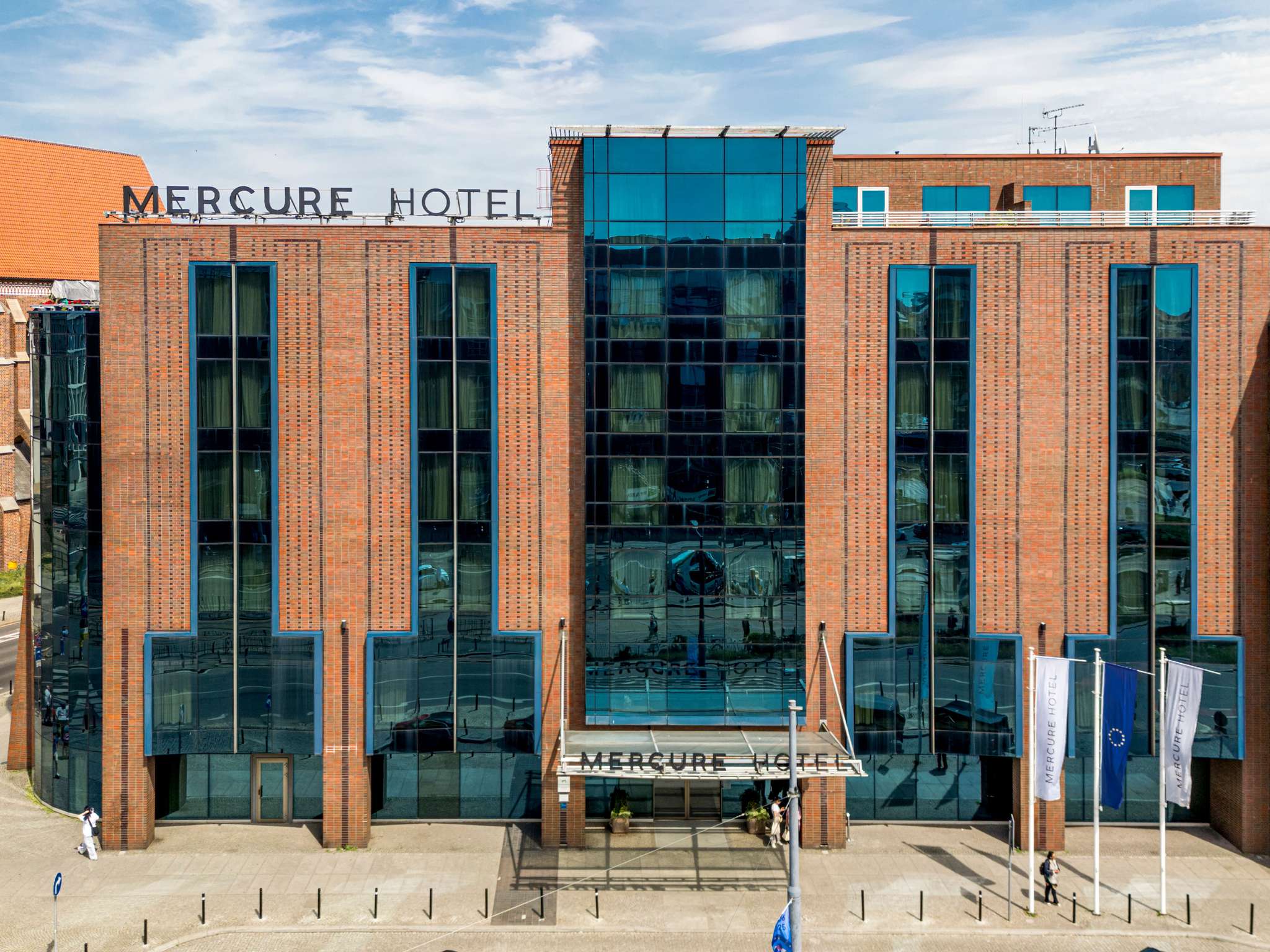
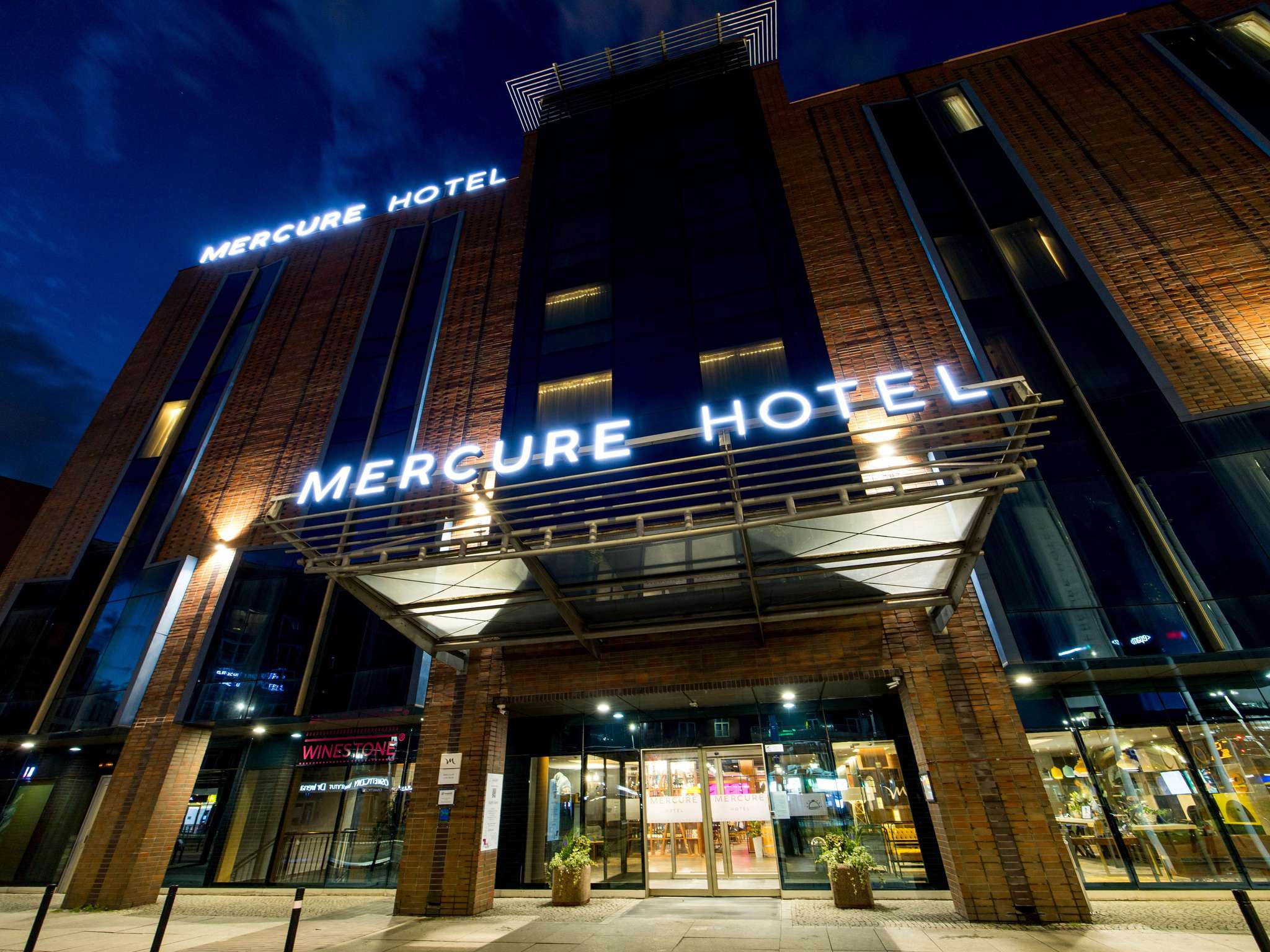
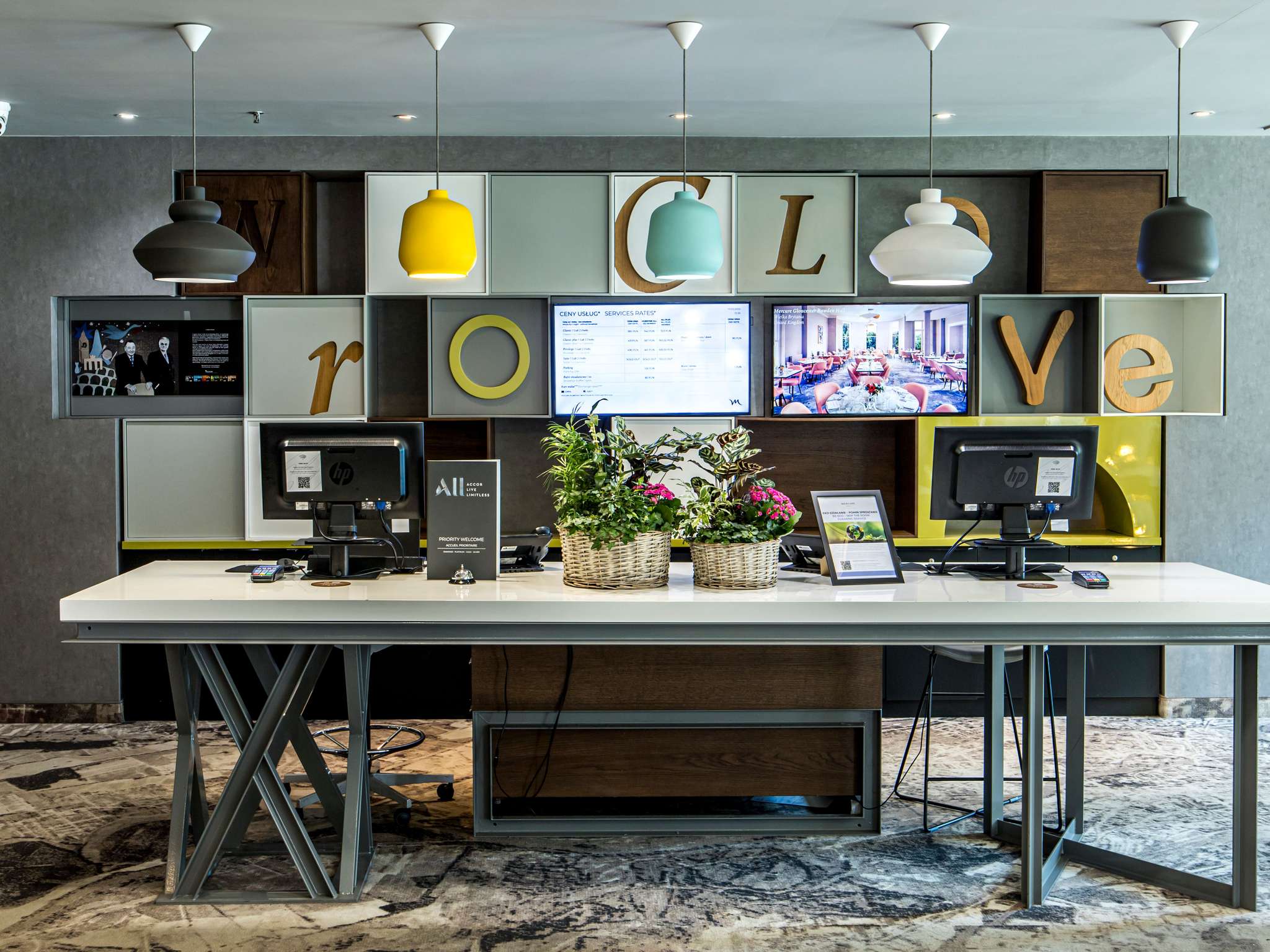
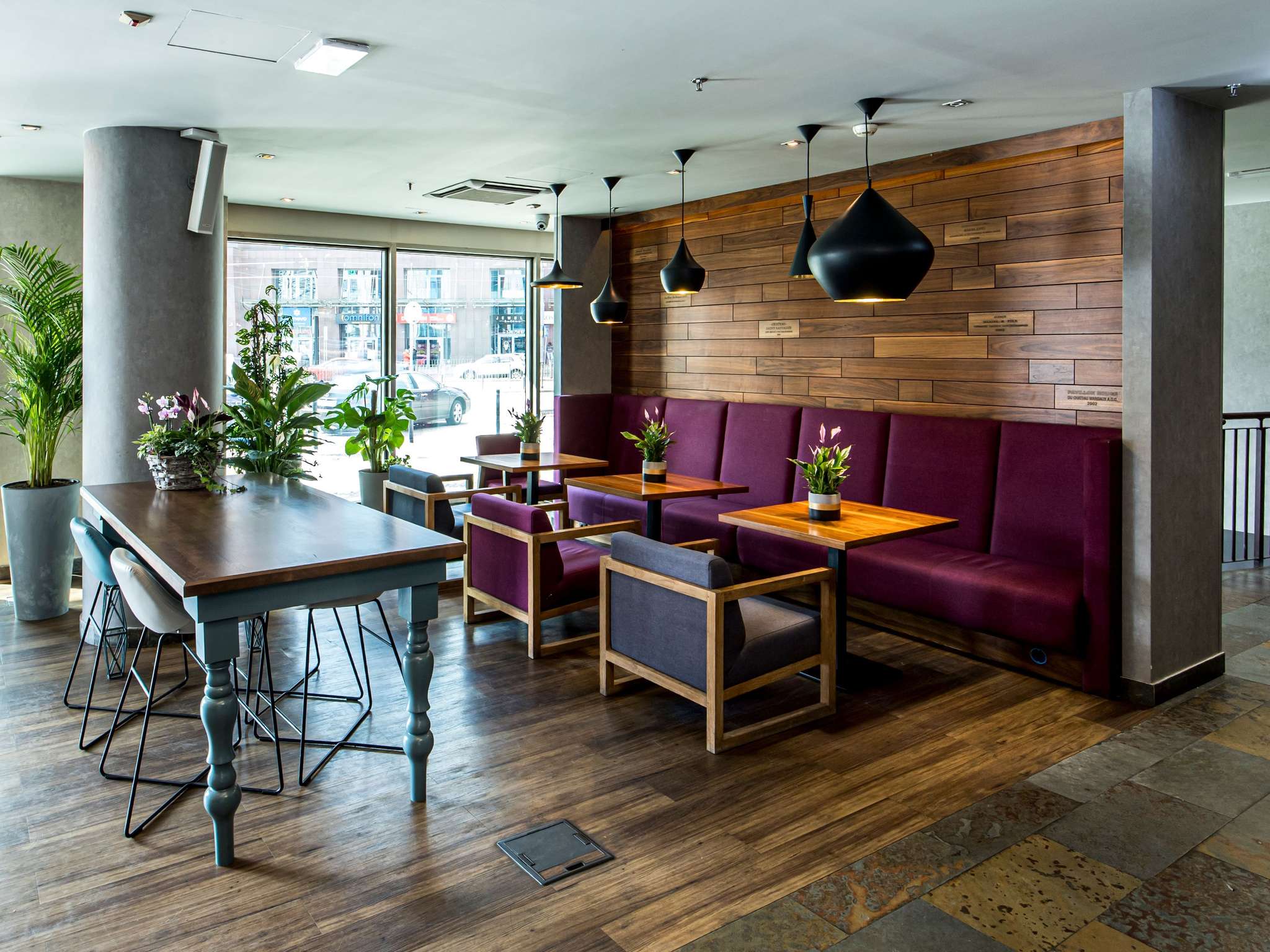
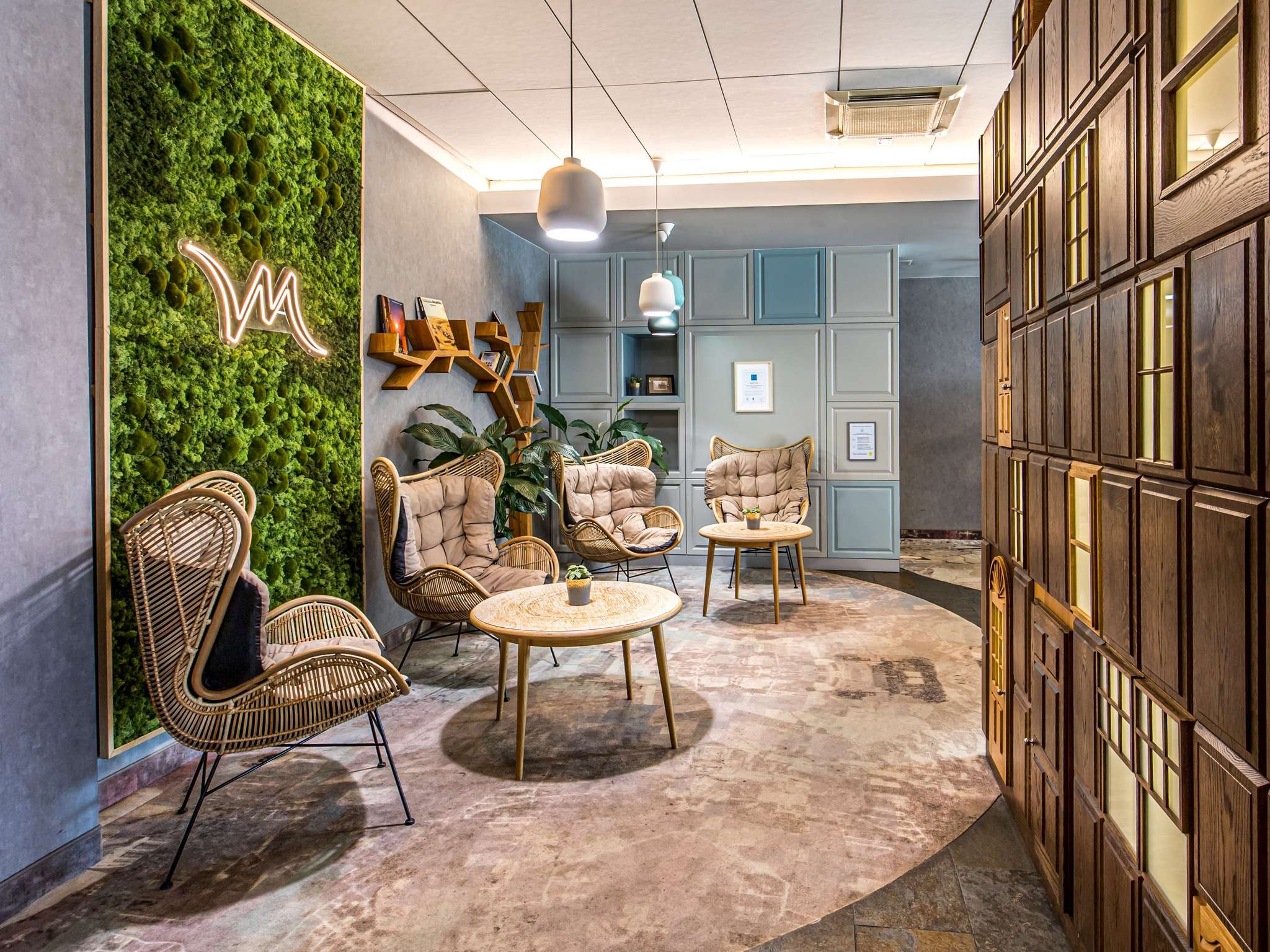
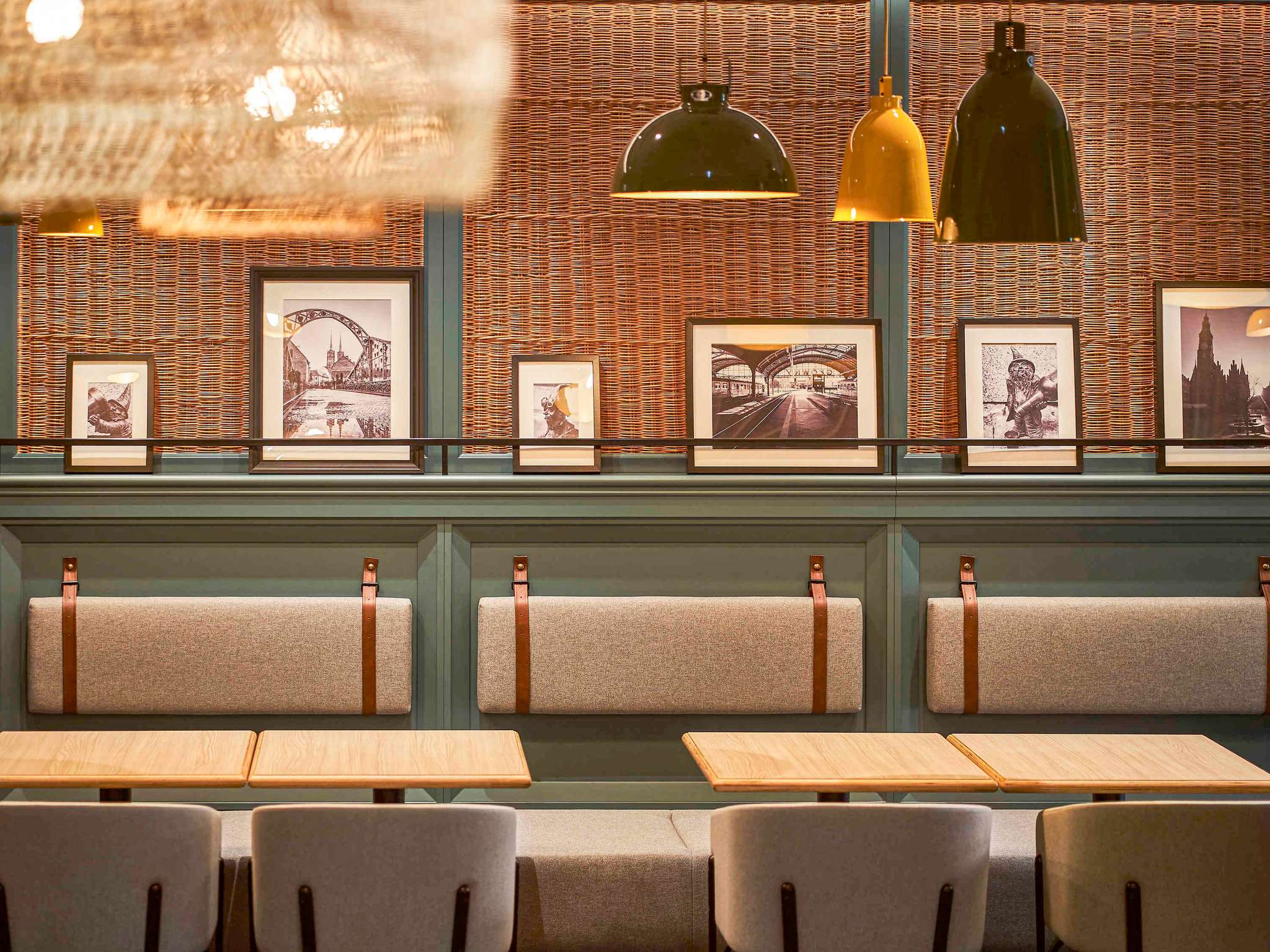
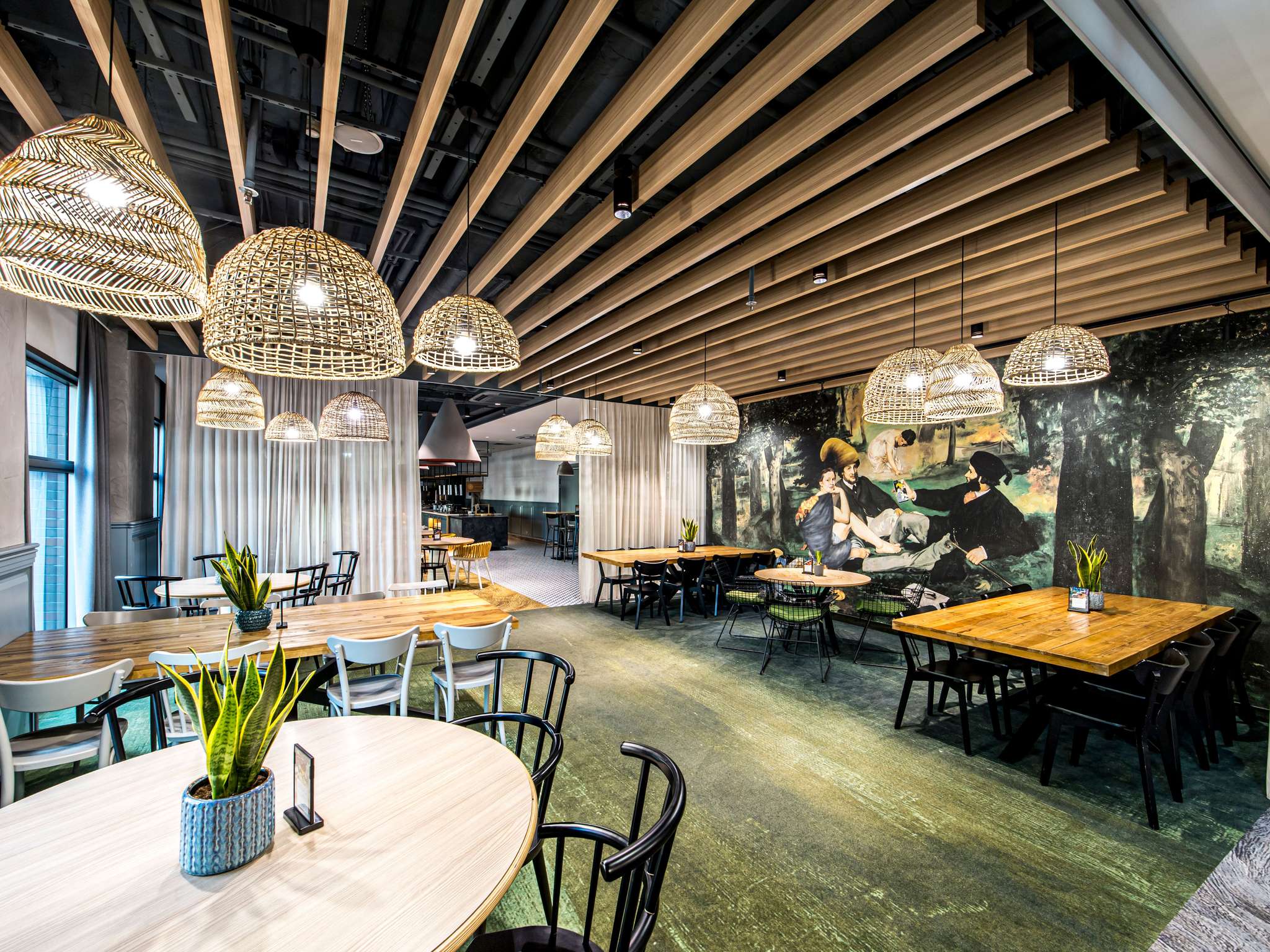
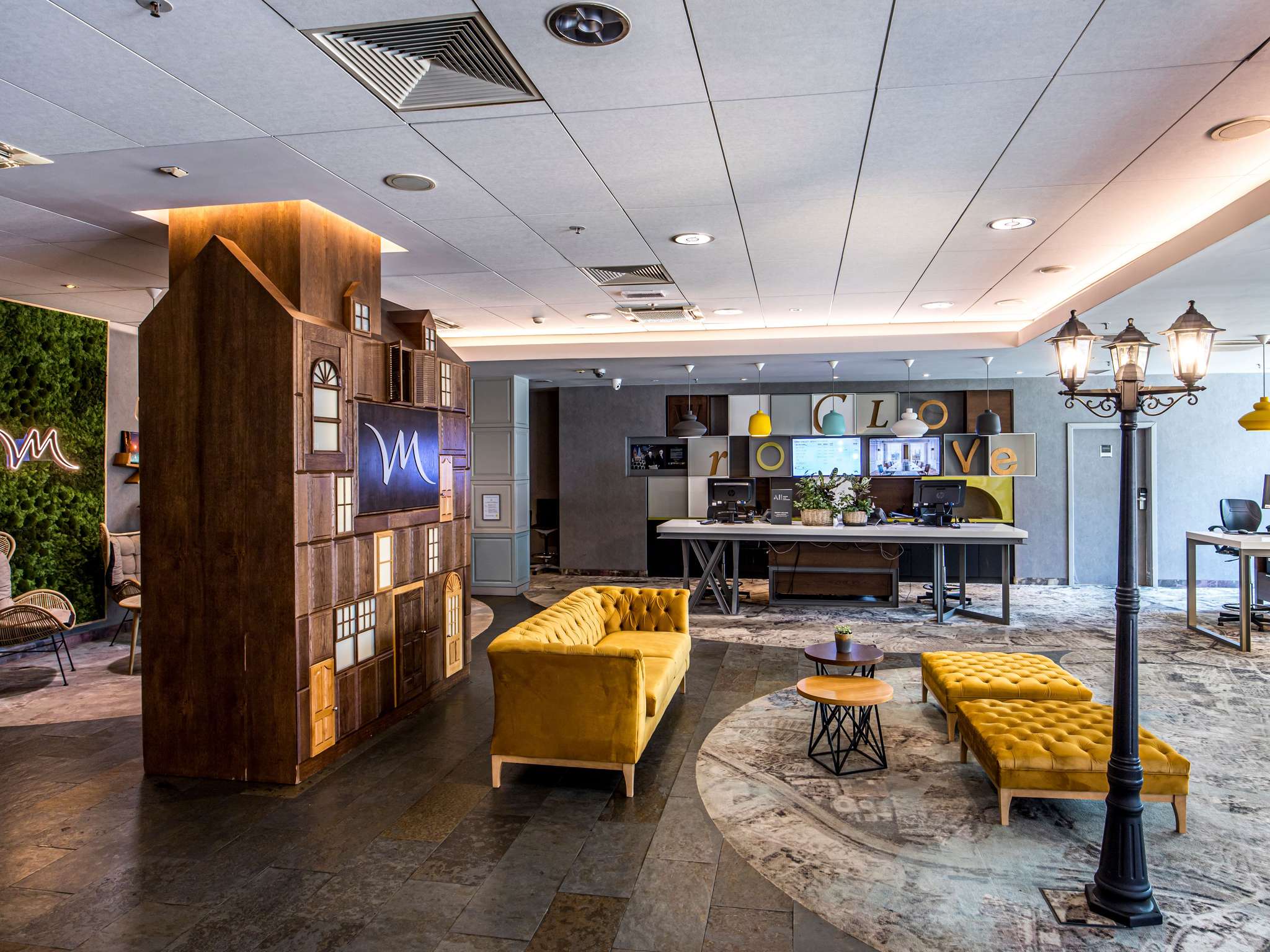
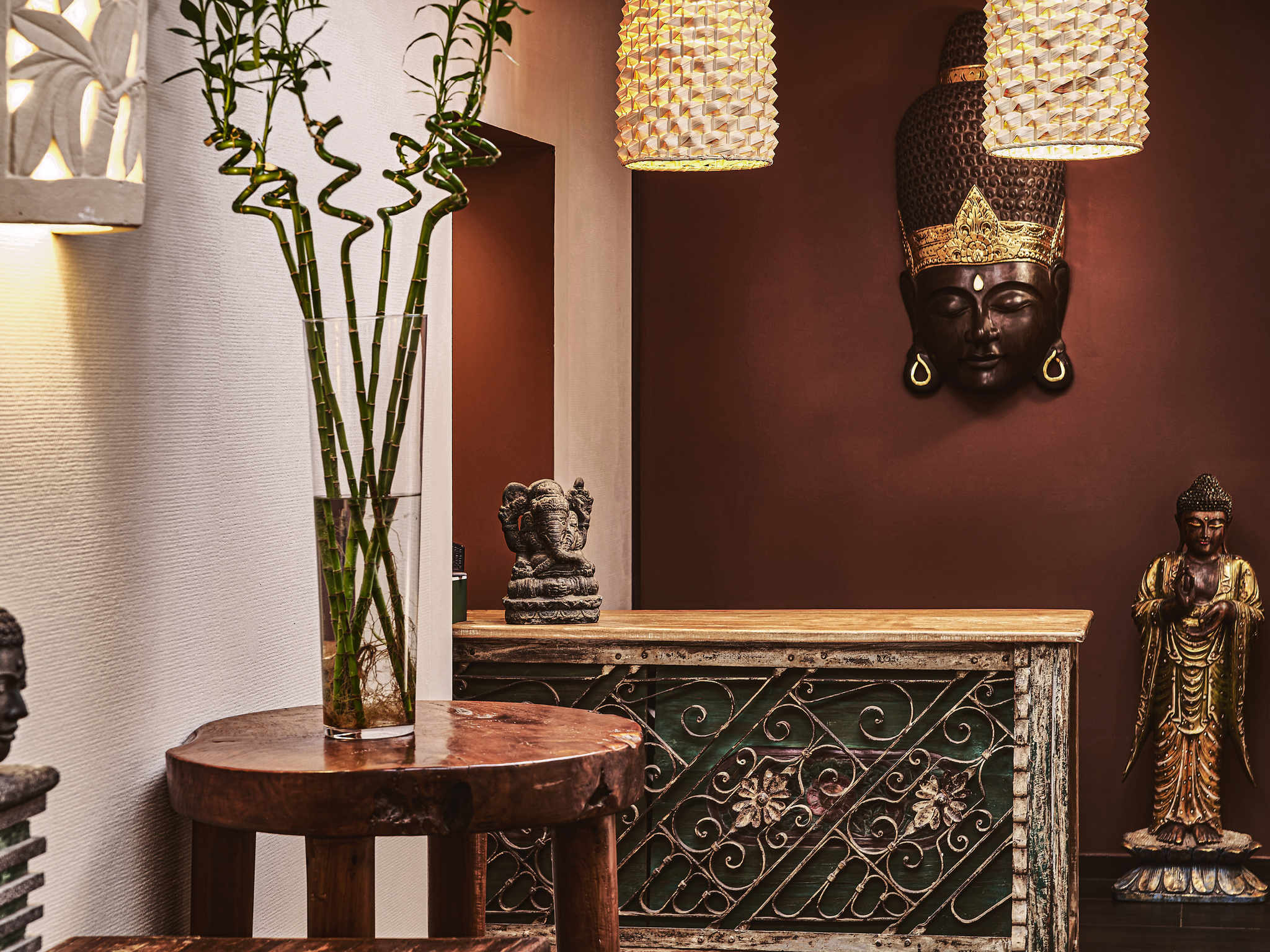
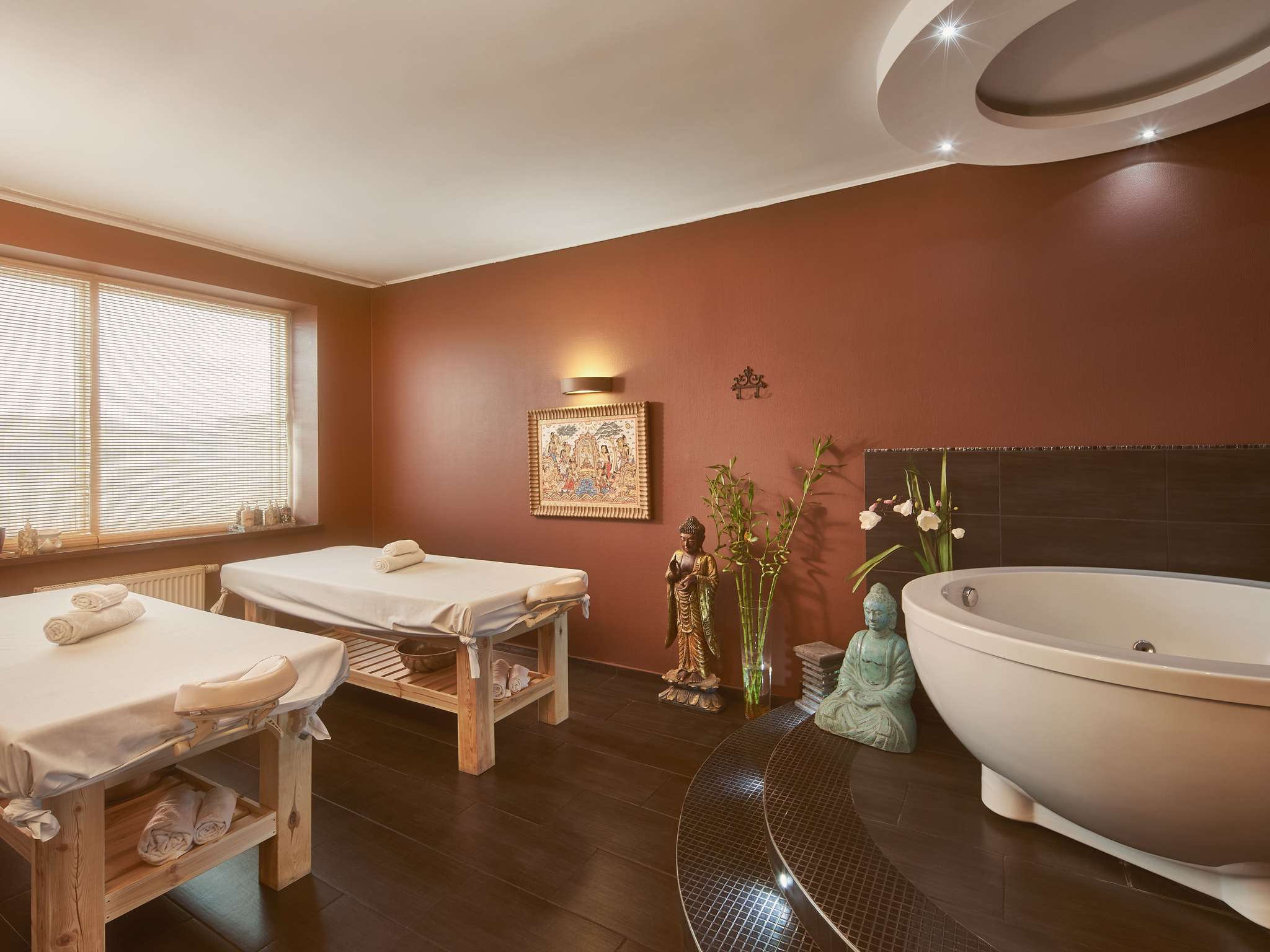
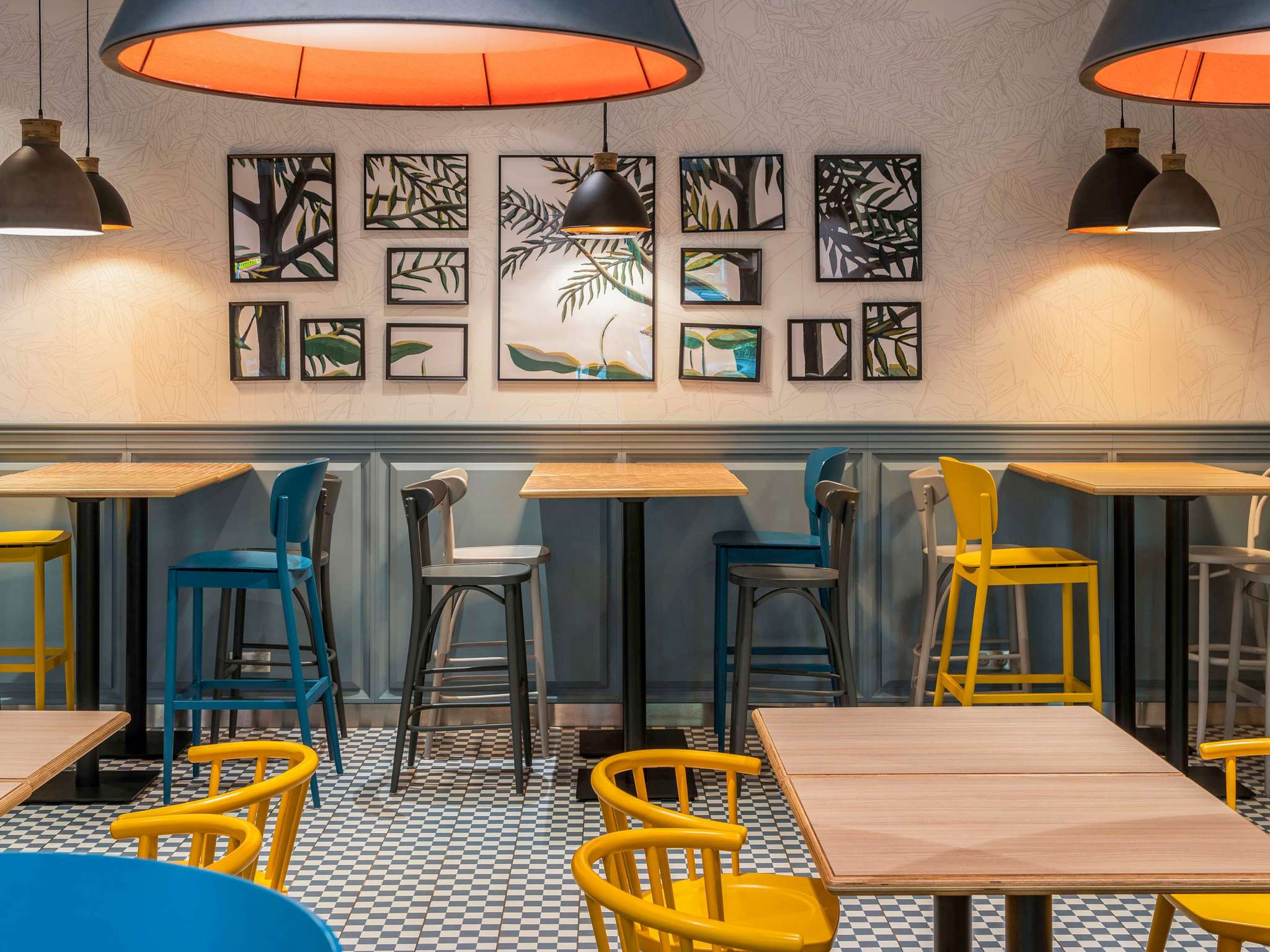
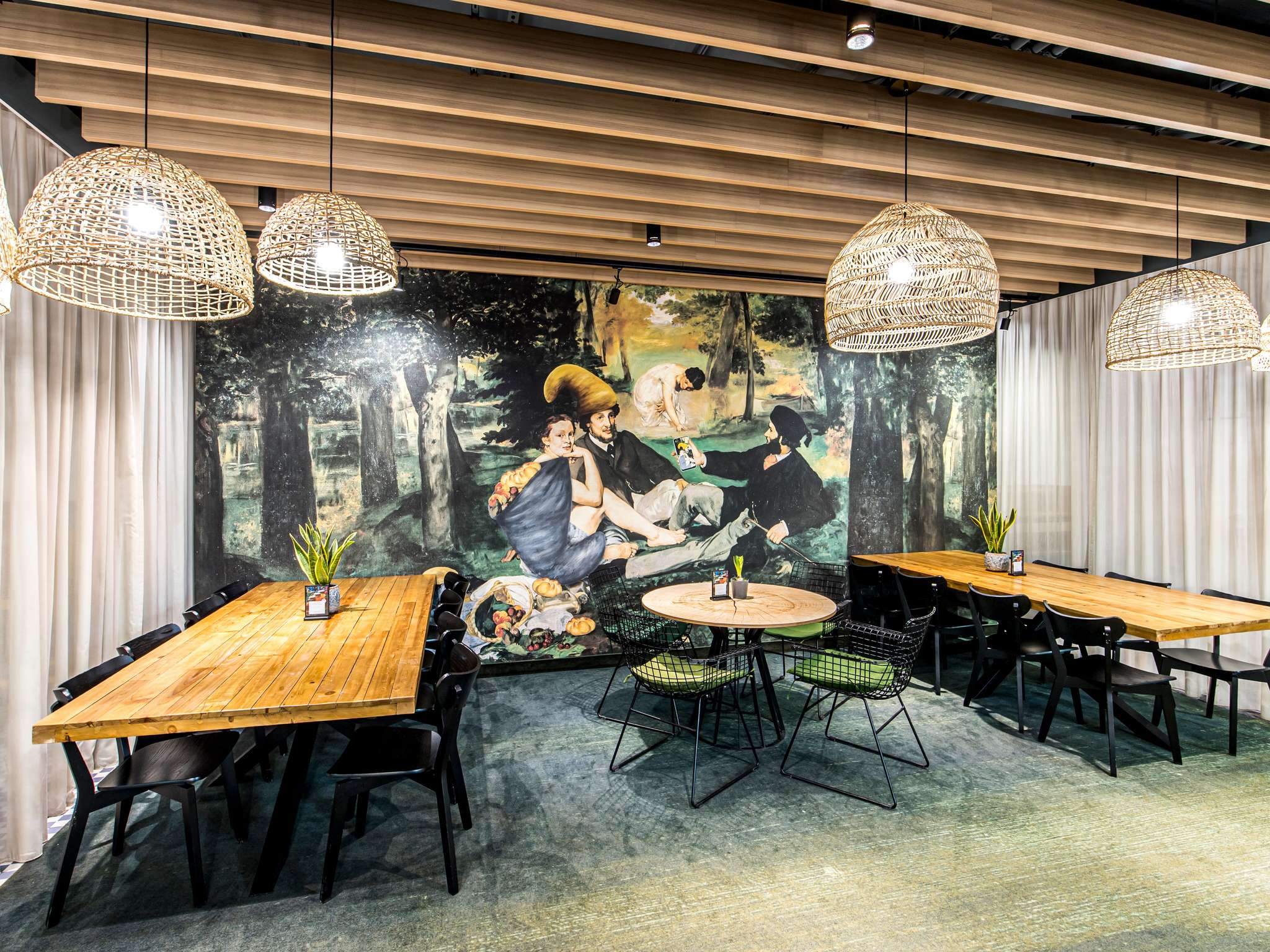
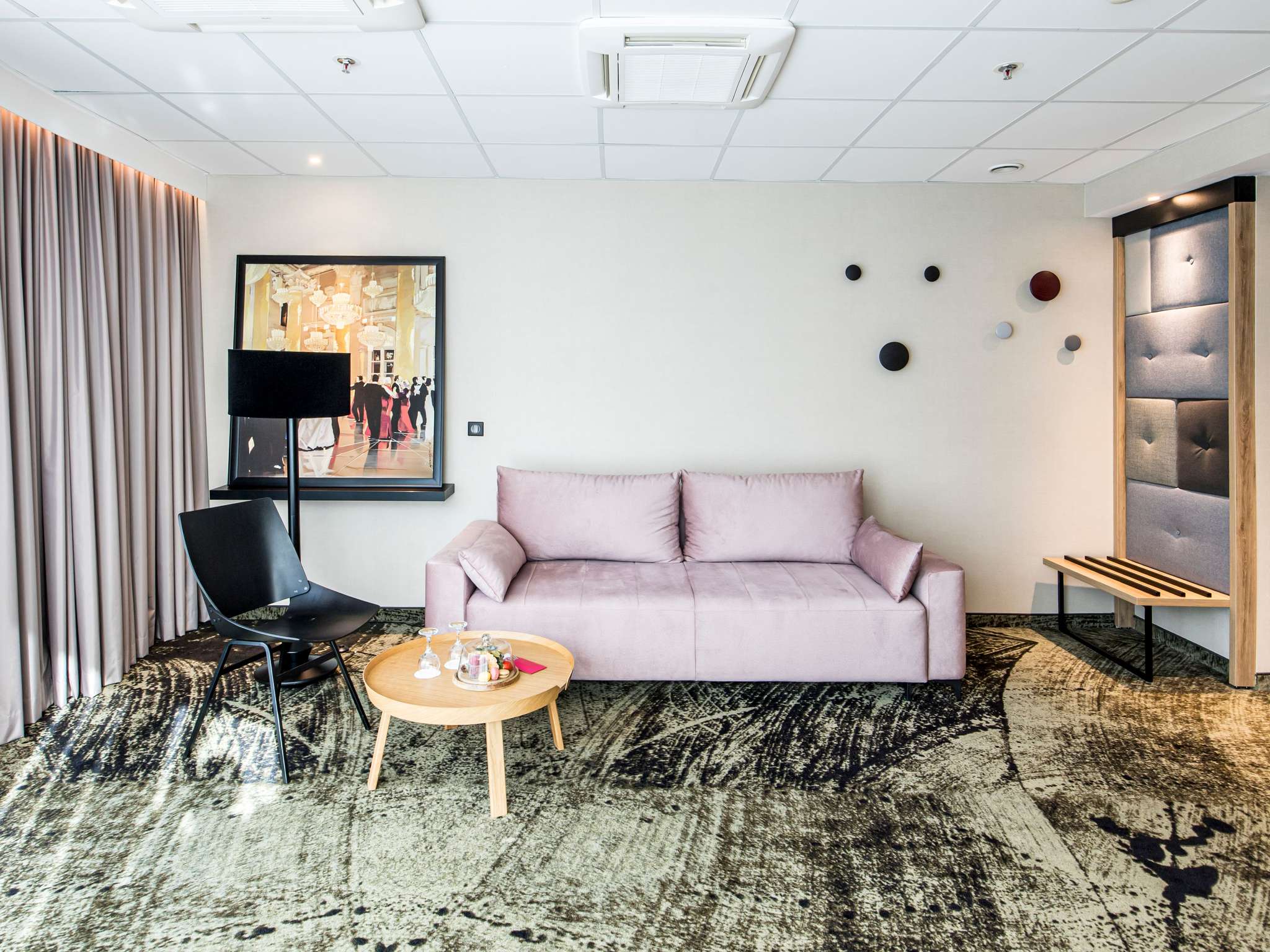
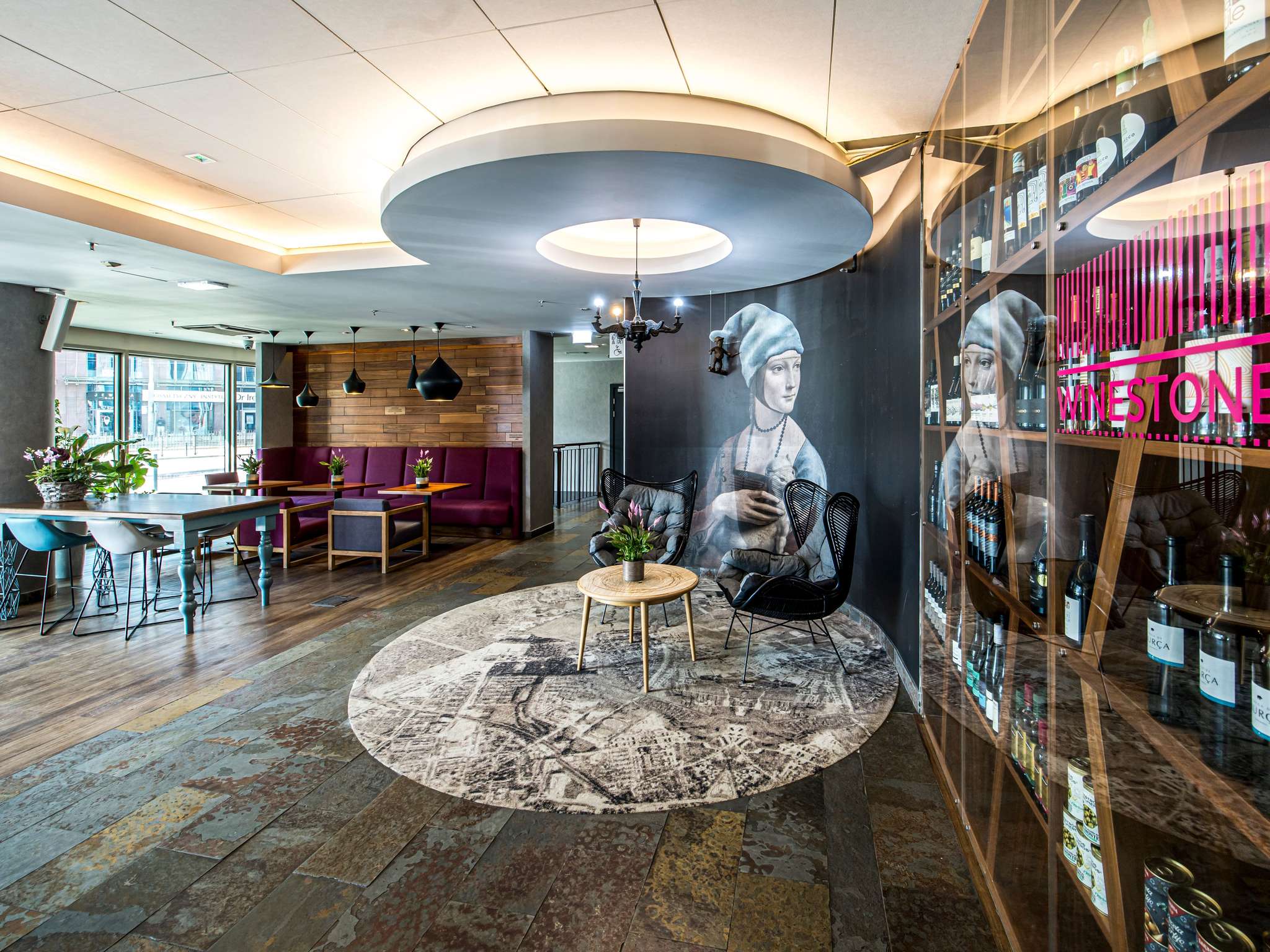
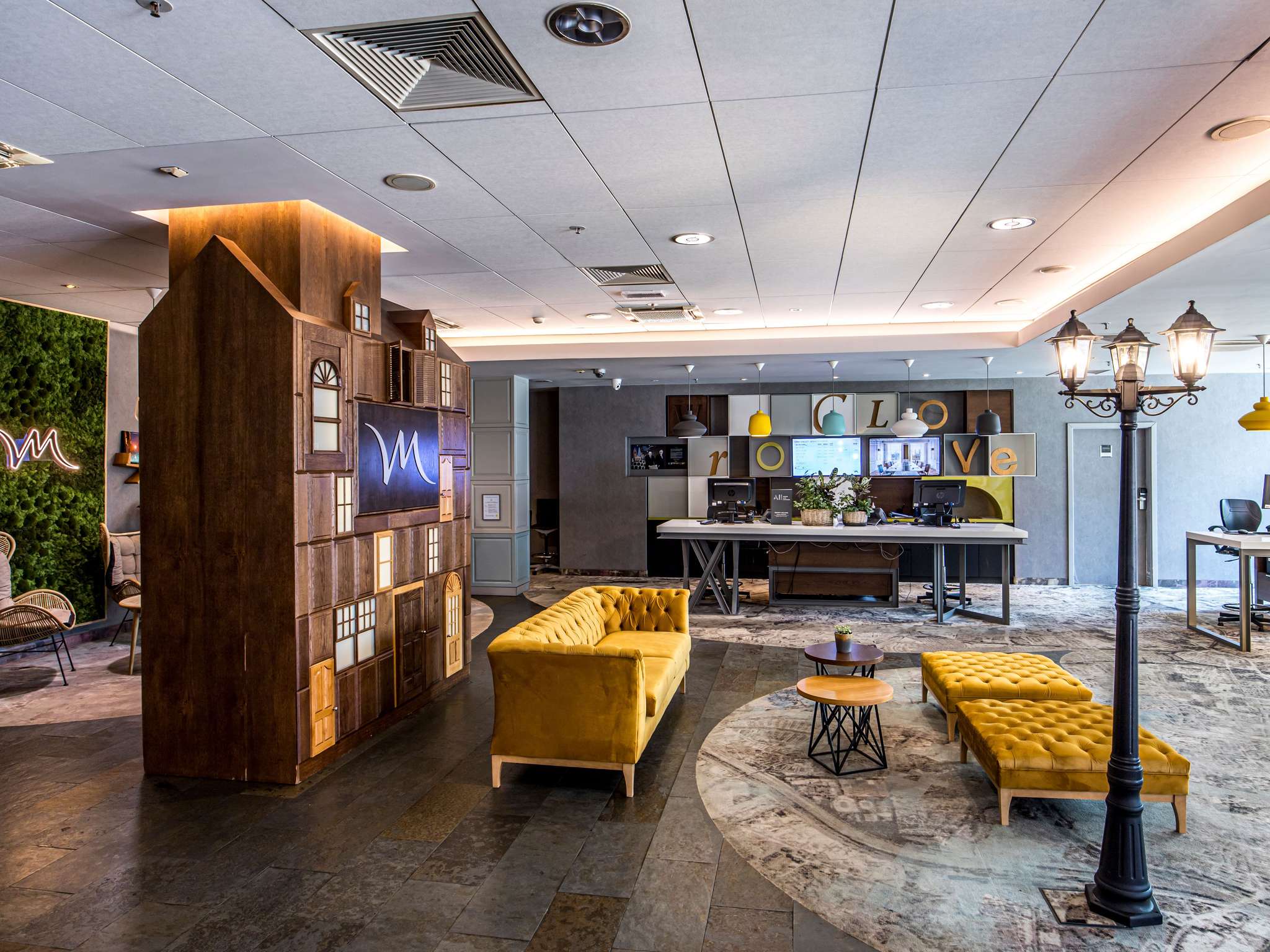
The BioActive 2026 – International Conference on Bioactive Compounds will take place at the Hotel Mercure Wrocław Centrum, a modern four-star hotel located in the heart of Wrocław’s historic Old Town, Poland.
The hotel is situated at Plac Dominikański, within walking distance of many of Wrocław’s most important landmarks. Participants will be able to easily reach the Main Market Square (Rynek), one of the largest and most beautiful medieval squares in Europe, as well as other major attractions such as the Racławice Panorama, Ostrów Tumski, and the historic university buildings.
The venue is conveniently connected to public transport and located approximately 1.2 km from Wrocław Main Railway Station and about 11 km from Wrocław Copernicus Airport, providing easy access for international participants.
Location
The hotel is situated at Plac Dominikański, within walking distance of many of Wrocław’s most important landmarks. Participants will be able to easily reach the Main Market Square (Rynek), one of the largest and most beautiful medieval squares in Europe, as well as other major attractions such as the Racławice Panorama, Ostrów Tumski, and the historic university buildings.
The venue is conveniently connected to public transport and located approximately 1.2 km from Wrocław Main Railway Station and about 11 km from Wrocław Copernicus Airport, providing easy access for international participants.
Conference Facilities
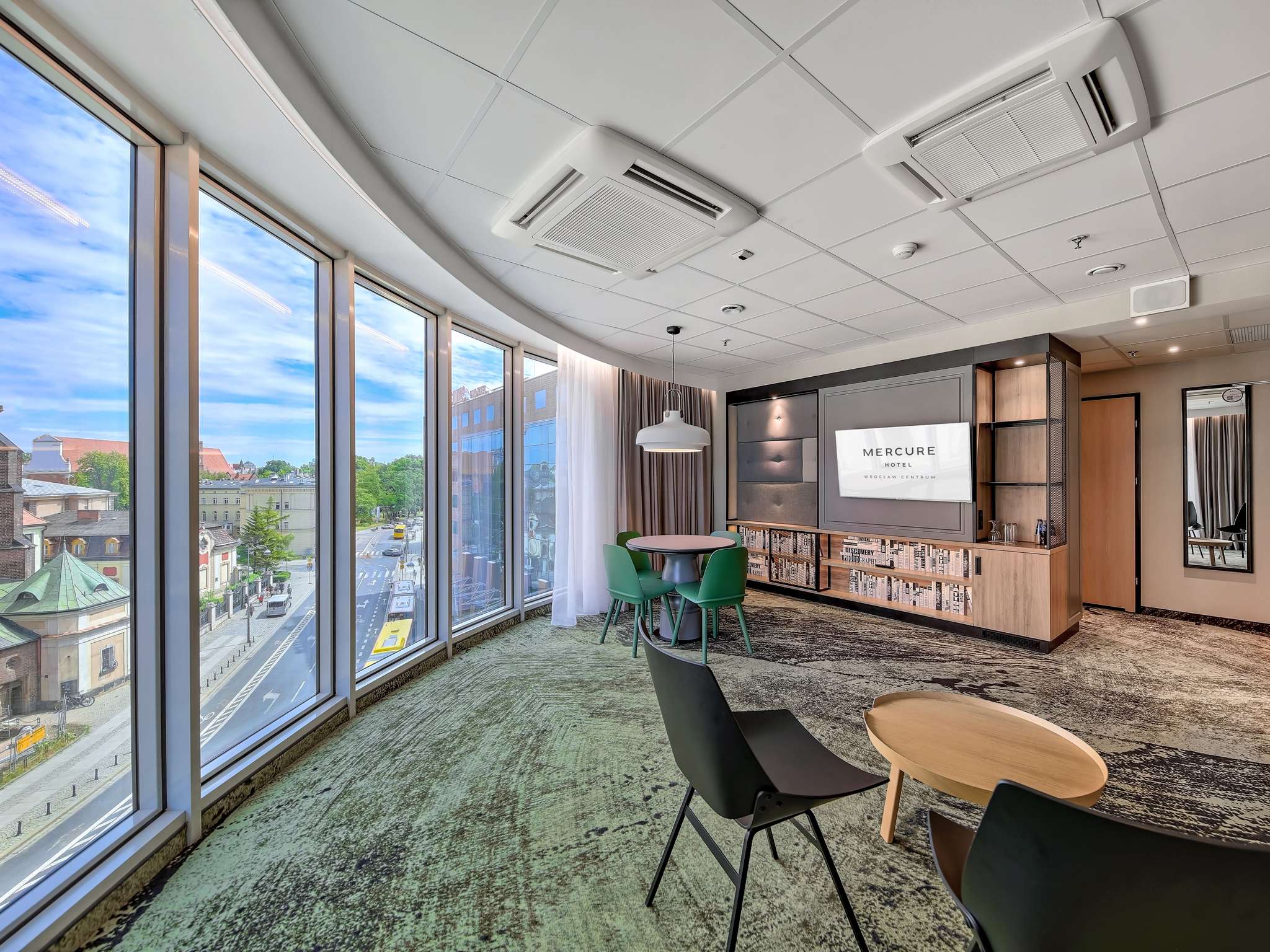
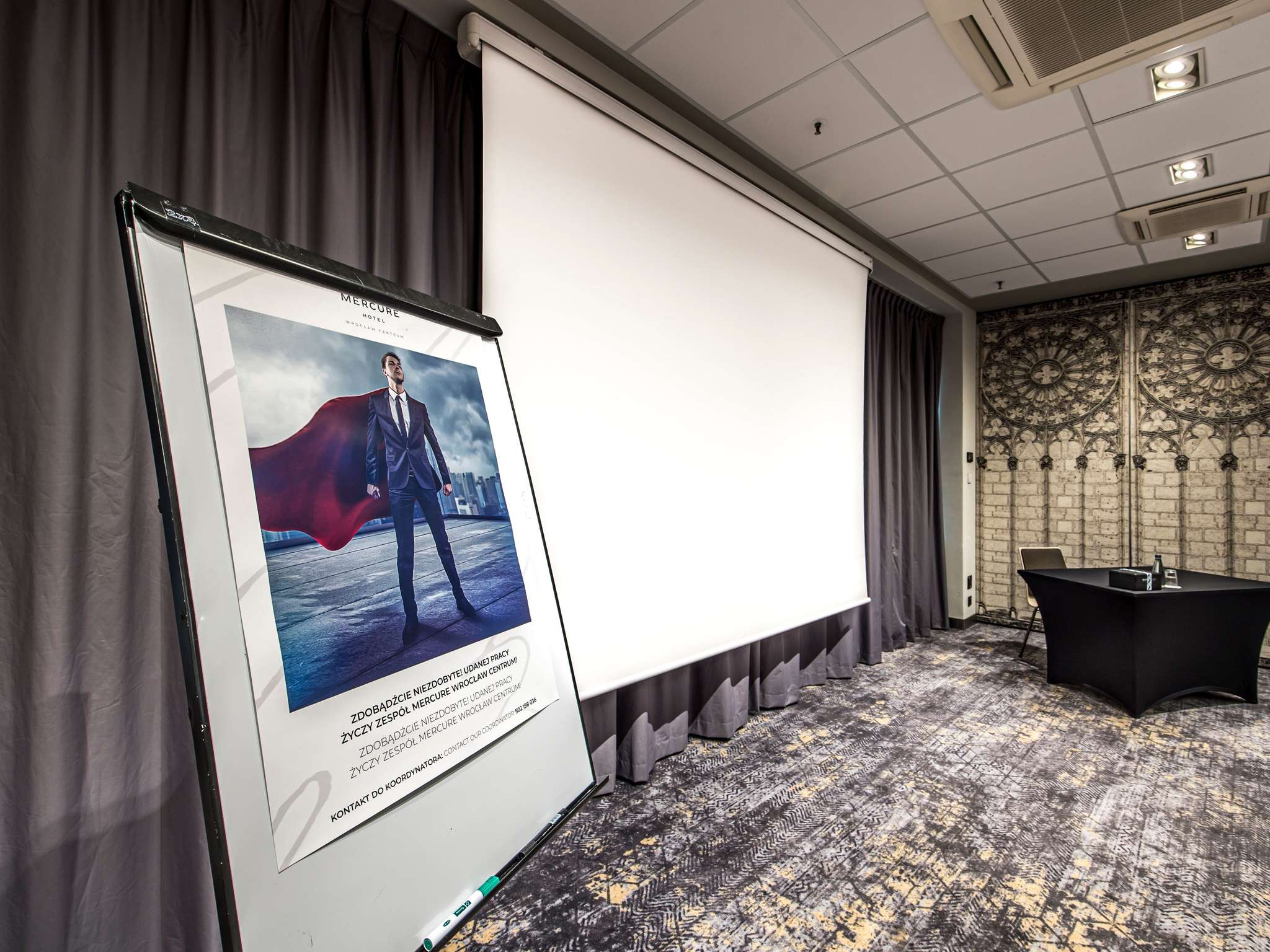
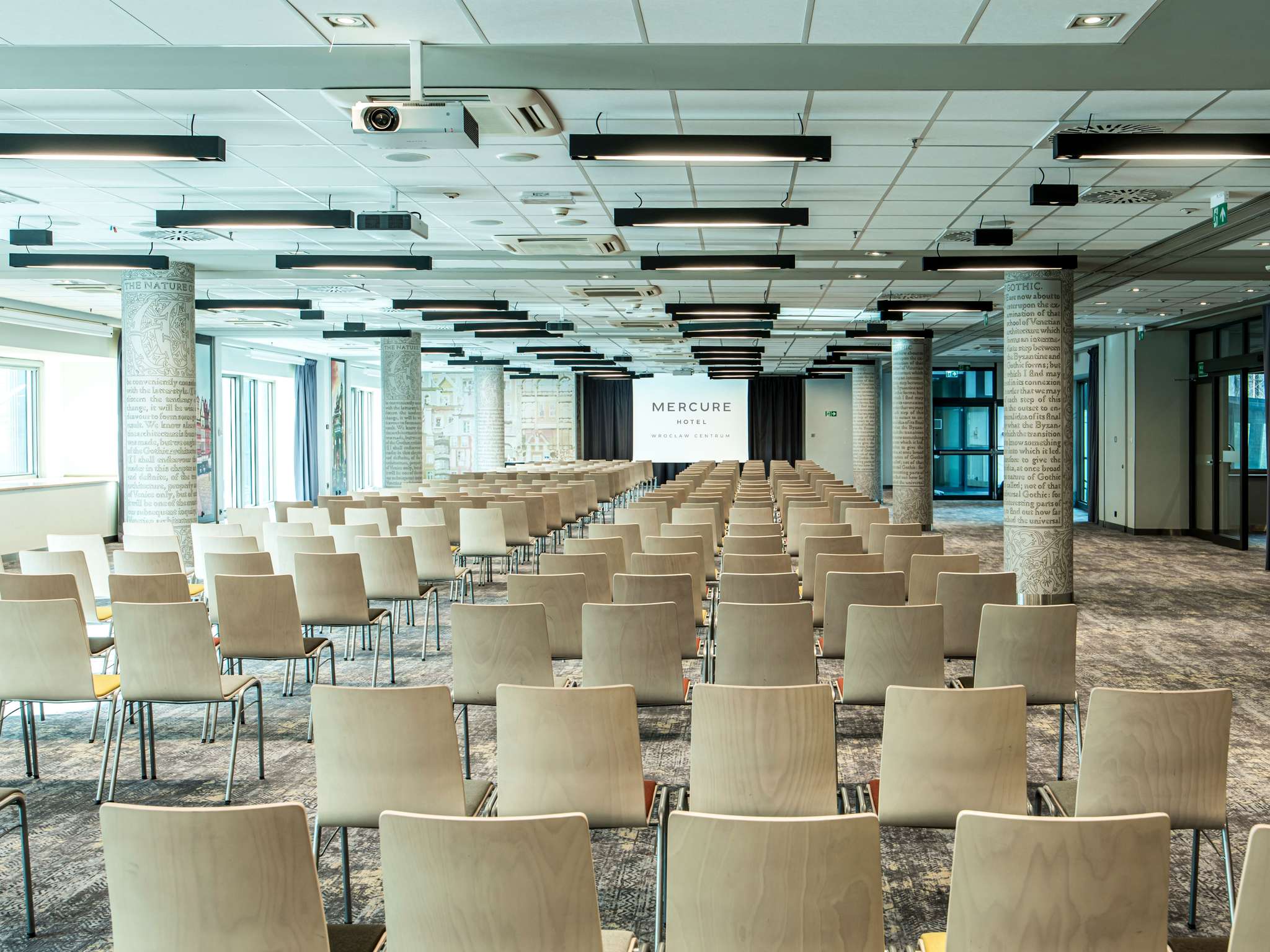
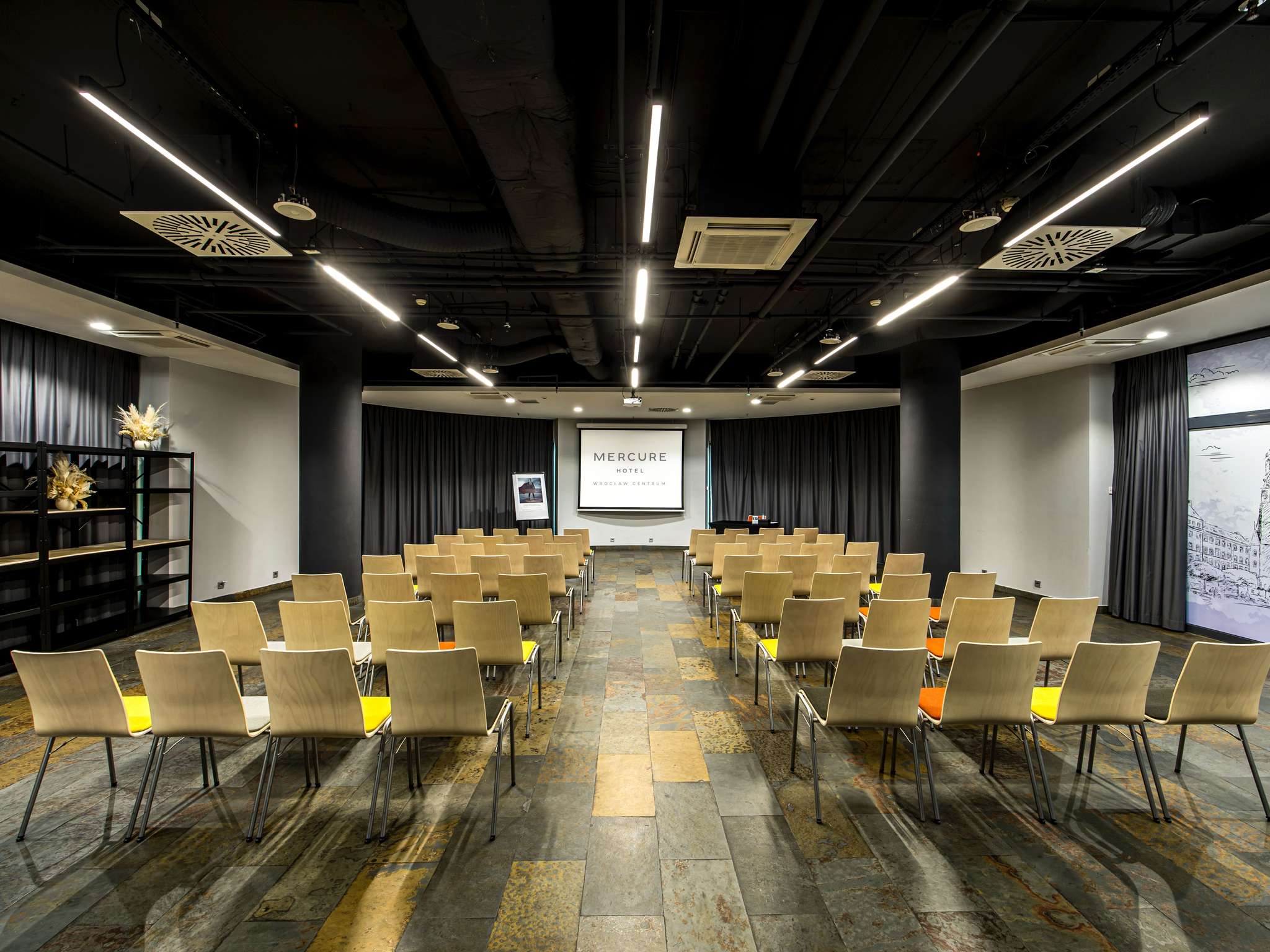
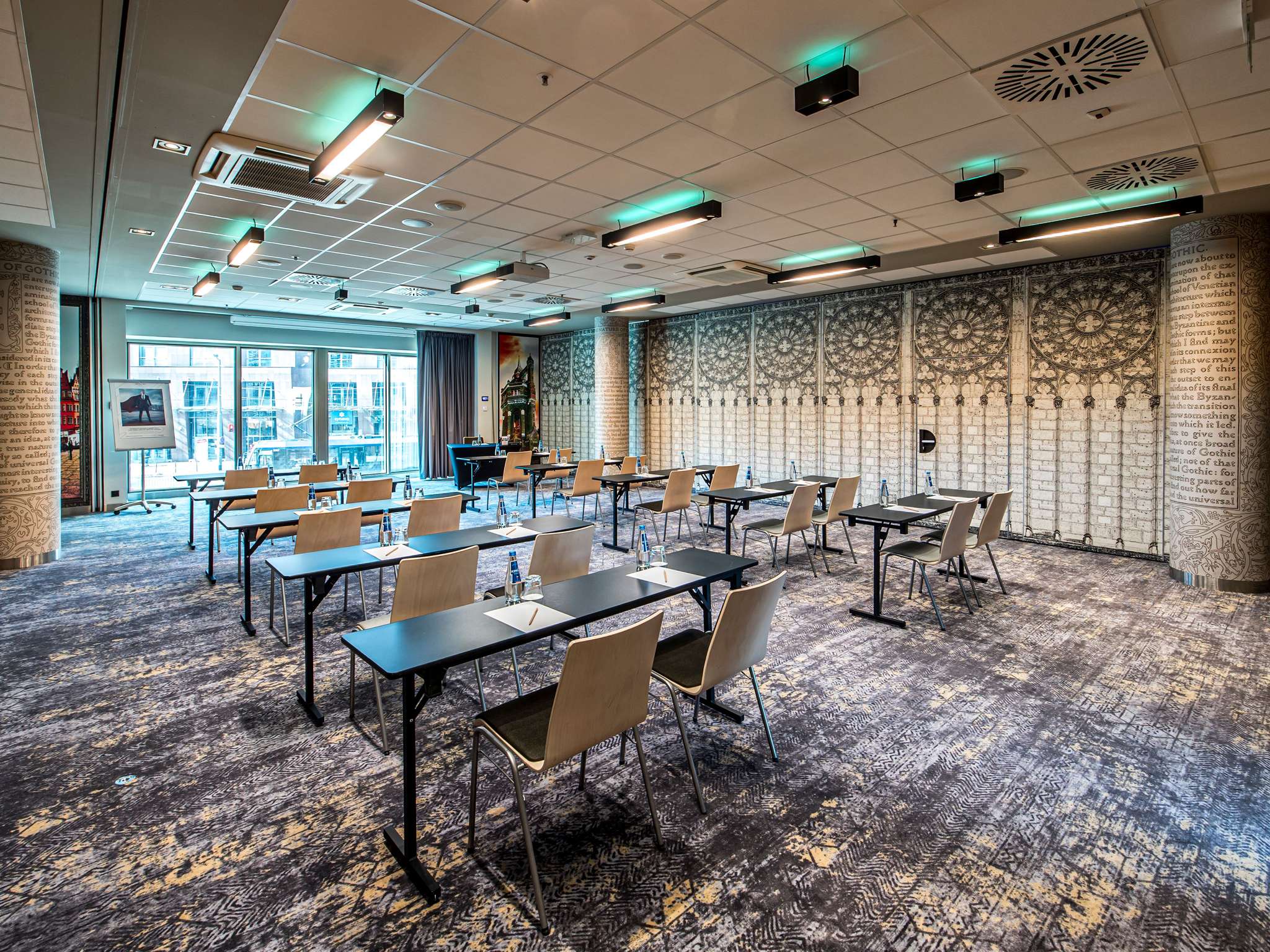
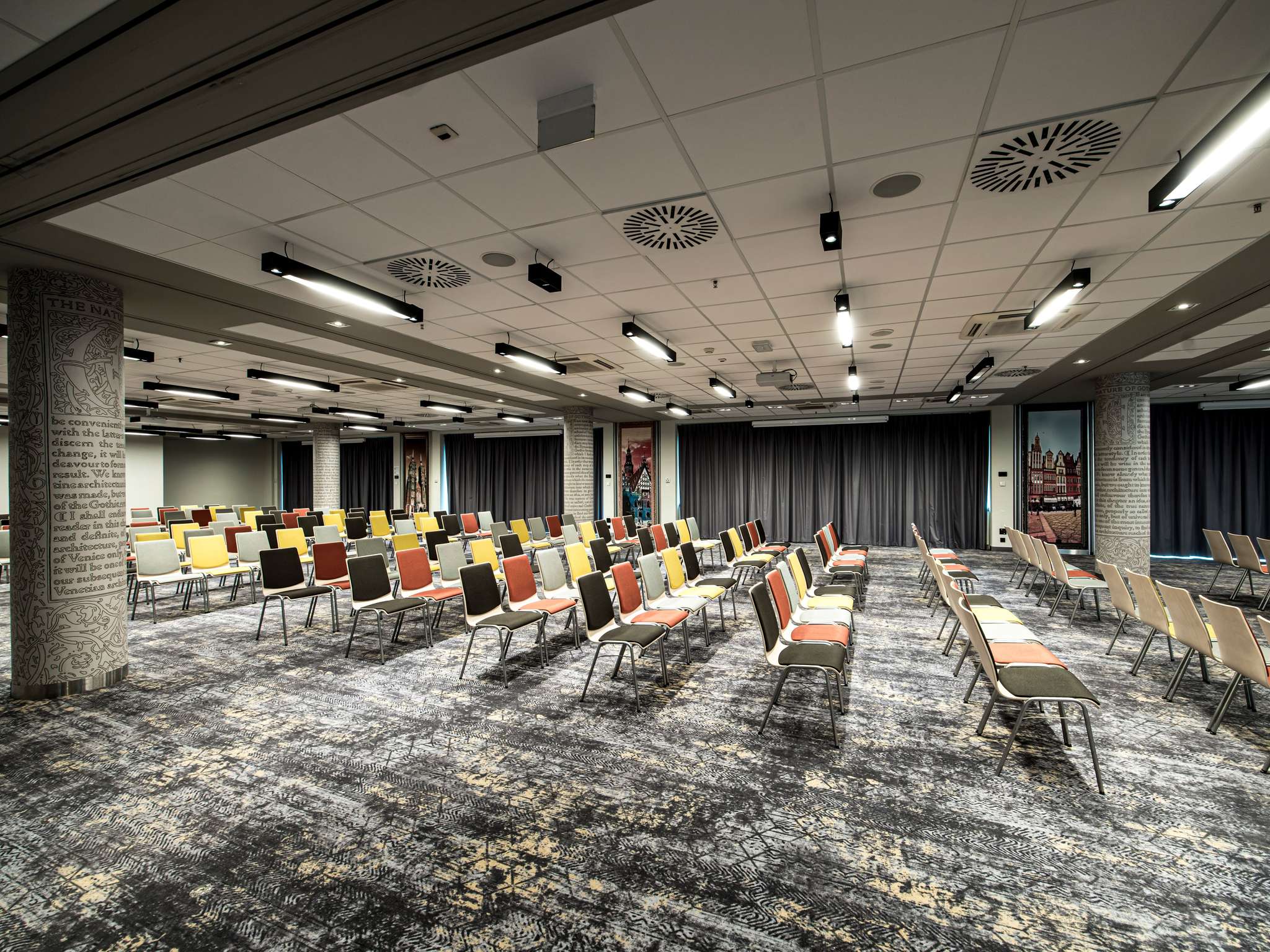
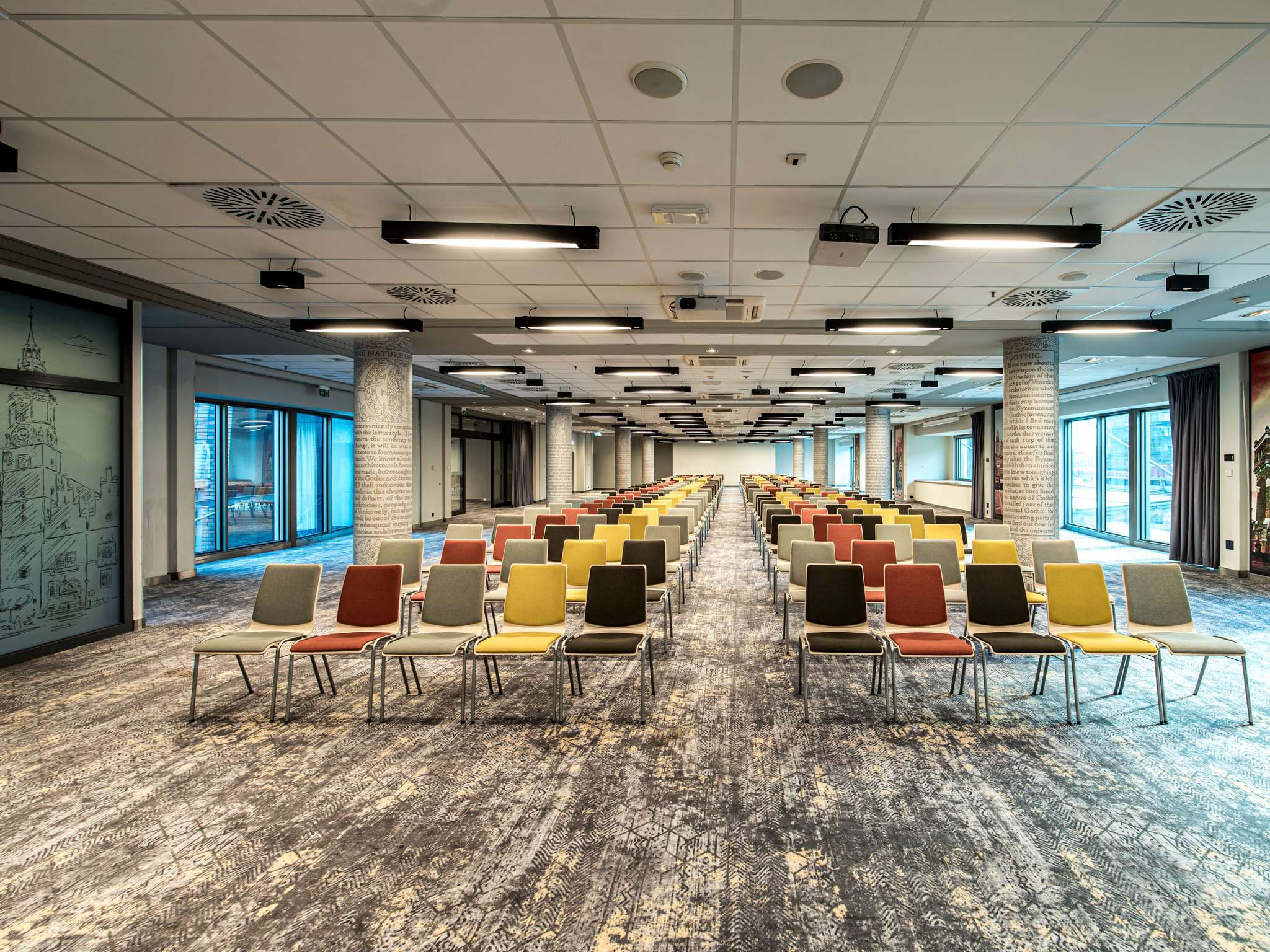
Hotel Mercure Wrocław Centrum offers a modern and well-equipped conference centre designed to host international meetings, congresses, and scientific events. The venue provides 13 fully equipped conference and meeting rooms with a total conference space of over 600 m², allowing flexible arrangements for events of different sizes.
The largest conference hall can accommodate up to 550 participants, making it suitable for plenary sessions, keynote lectures, and large presentations. Smaller meeting rooms provide comfortable spaces for parallel sessions, workshops, panel discussions, and committee meetings.
All conference rooms are equipped with modern audiovisual technology, including high-quality projection systems, sound systems, microphones, and presentation facilities. The venue also provides high-speed Wi-Fi, professional conference support, and flexible room layouts that can be adapted to theatre, classroom, or workshop formats.
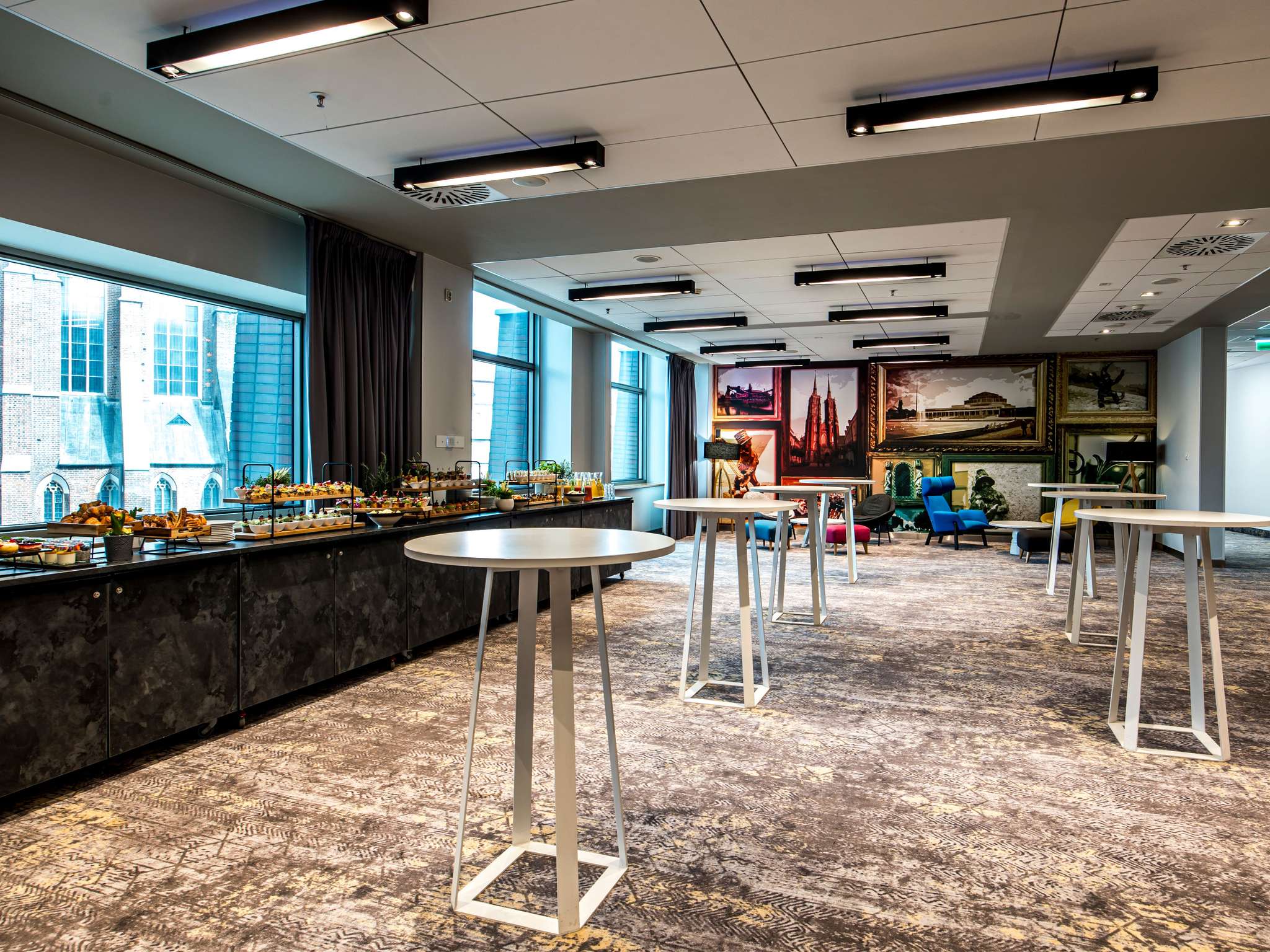
The conference centre is complemented by spacious foyer and networking areas, which are ideal for coffee breaks, poster sessions, and informal discussions among participants. The hotel’s restaurant and catering services provide convenient options for conference lunches, receptions, and social events.
Access
From Wrocław Airport (WRO)
Wrocław Nicolaus Copernicus Airport is located about 10–13 km from the city centre, and travel to the conference venue usually takes 20–40 minutes depending on the transport option.
Public transport
The most convenient public transport connection is by bus line 106 (day) or 206 (night).
Typical route:
- Take bus 106 from Port Lotniczy (Airport).
- Get off at Renoma or Dworzec Główny.
- From there you can take a tram or walk to Plac Dominikański, which is very close to the hotel.
Travel time: about 40 minutes.
Taxi
Taxi is the fastest option.
travel time: about 17–25 minutes
estimated cost: ~45–65 PLN depending on traffic
Taxis are available directly outside the airport terminal.
Ride-hailing apps
The following apps work reliably in Poland and are commonly used in Wrocław:
Uber
Bolt
Free Now
These services usually operate similarly to taxis but are often cheaper and can be ordered directly via mobile apps.
From Wrocław Główny Railway Station (Main Train Station)
Wrocław Główny is the main railway station in the city and is located about 1.5 km from the venue.
Tram
Wrocław Główny is the main railway station in the city and is located about 1.5 km from the venue.
Recommended route:
- From the stop Dworzec Główny take tram line 8 or line 9 in the direction of the city centre.
- Get off at Galeria Dominikańska (2 stops).
- The hotel Mercure Wrocław Centrum is located approximately 150 m from the stop (about 2–3 minutes walking distance).
Travel time: about 5–10 minutes.
Trams run frequently throughout the day, typically every 5–10 minutes.
Tickets for public transport can be purchased:
from ticket machines at tram stops,
from ticket machines inside many trams,
using contactless payment cards,
via mobile ticket applications.
For route planning and live public transport information, participants may use apps such as Jakdojade, Google Maps, or MPK Wrocław.
Walking
It is possible to walk from the station to the hotel in about 20 minutes through the city centre.
Taxi / Ride-hailing
Taxi or ride-hailing services (Uber, Bolt, Free Now):
travel time: 5–10 minutes
cost: approx. 10–20 PLN
From Wrocław Bus Station
The main bus station is located in the same complex as Wrocław Główny railway station, so access to the venue is the same as described above.
Getting Around the City
Wrocław has a well-developed public transport system consisting of trams and buses operated by MPK Wrocław. Tickets can be purchased:
- from ticket machines at stops
- inside many trams and buses
- using contactless payment cards
- through mobile ticket apps
The central location of the conference venue allows most attractions, hotels, and restaurants to be reached easily on foot.
Accommodation
Conference Hotel
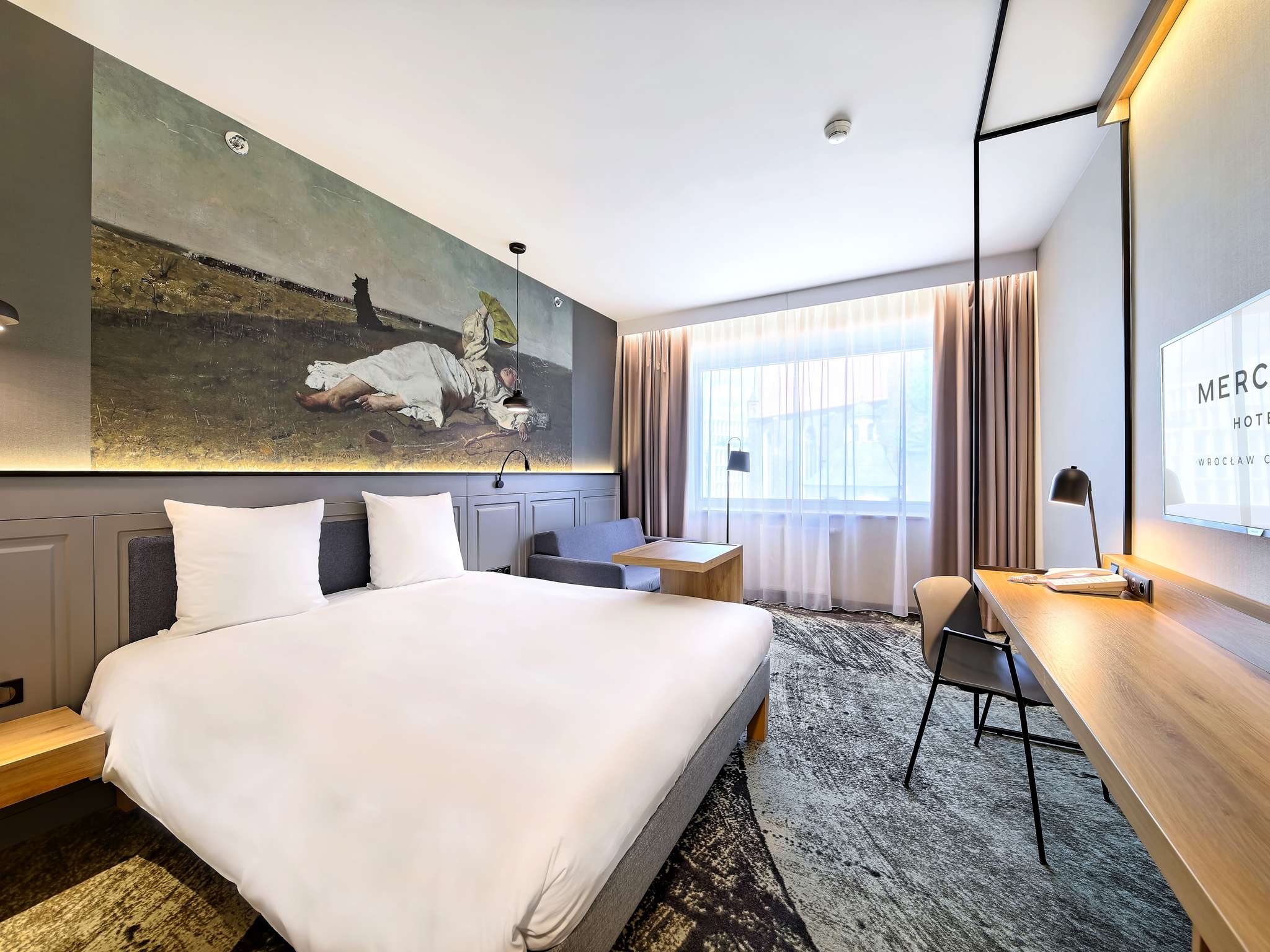
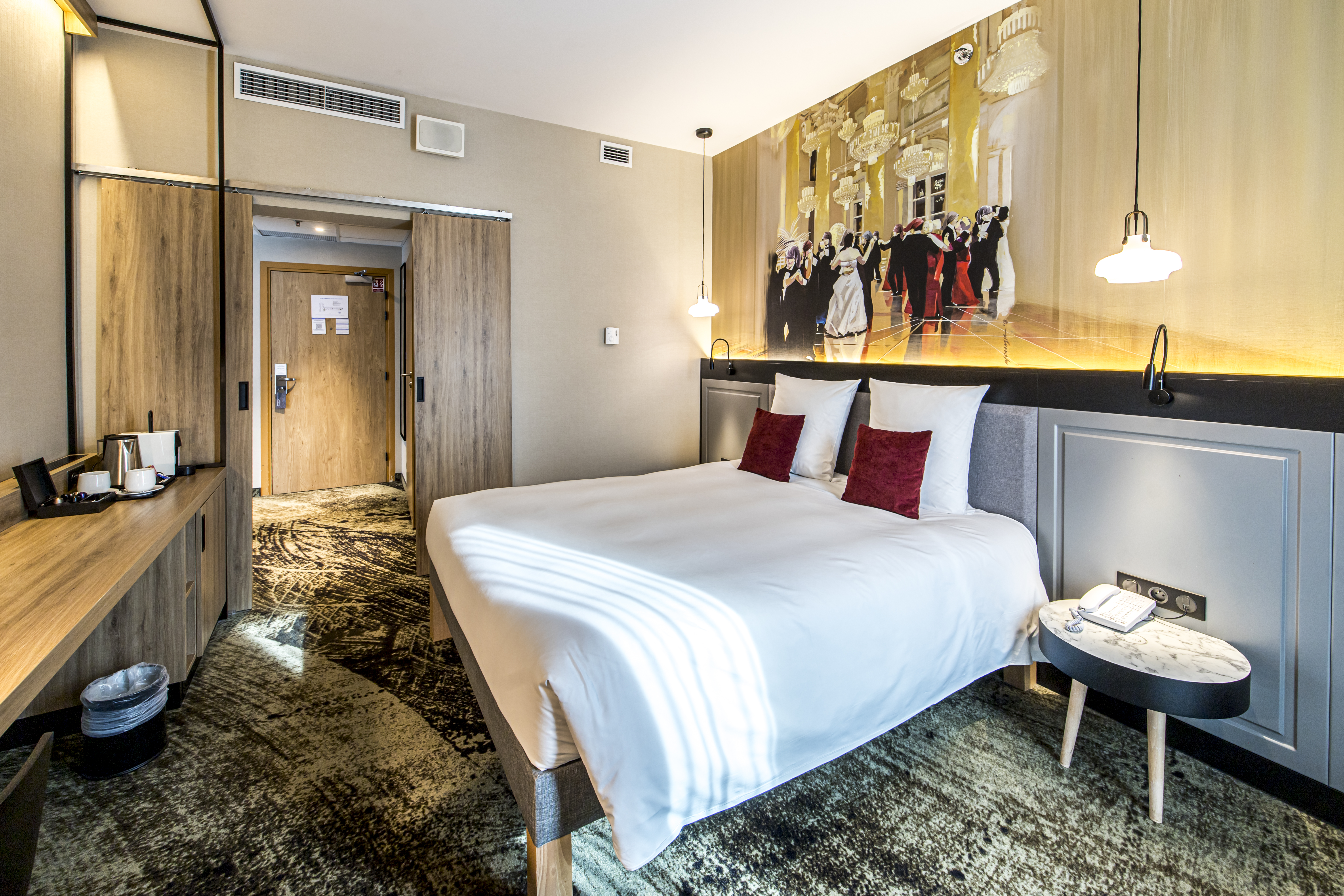
Participants of BioActive 2026 – International Conference on Bioactive Compounds are encouraged to stay at the conference venue – Hotel Mercure Wrocław Centrum.
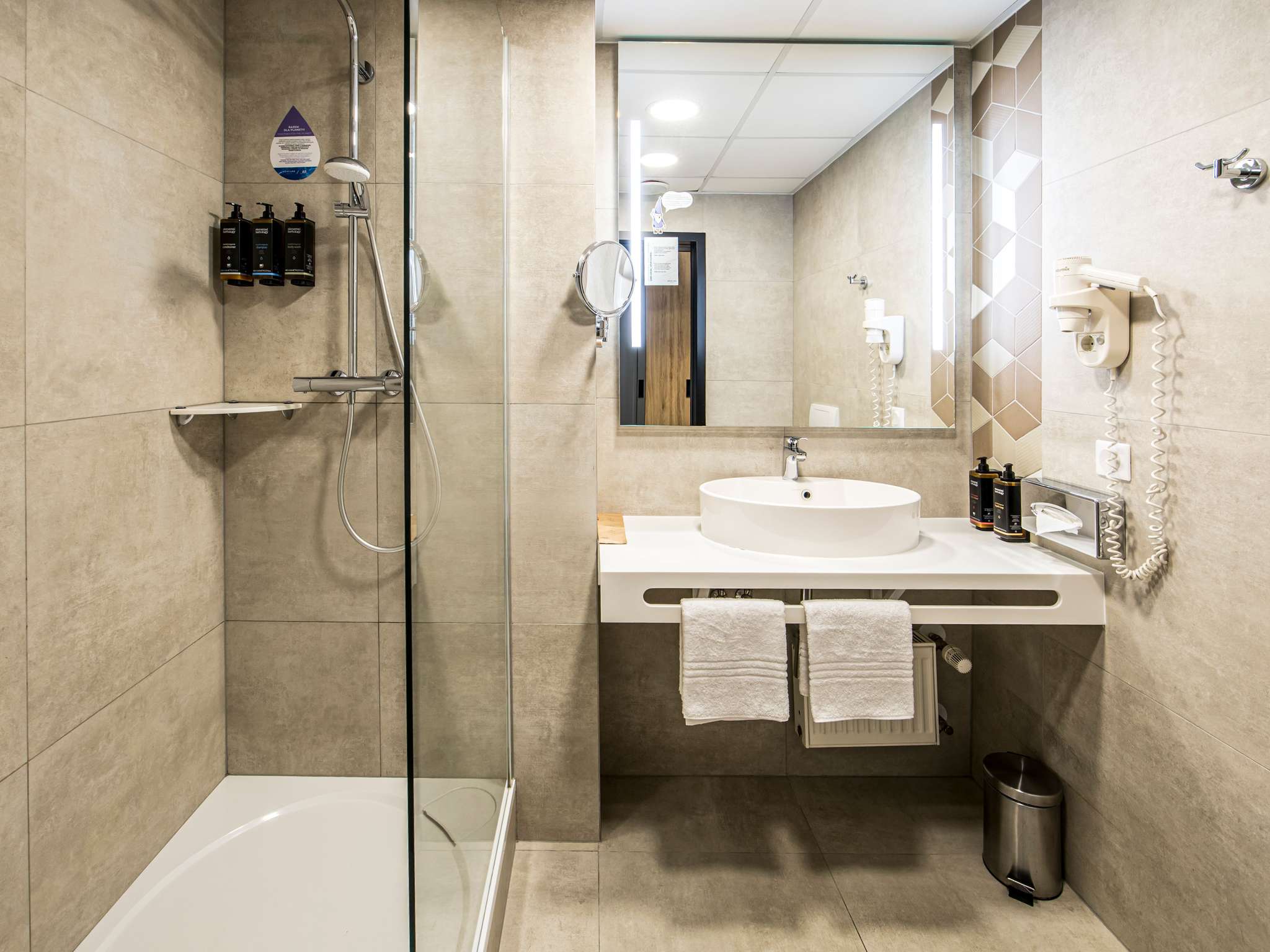
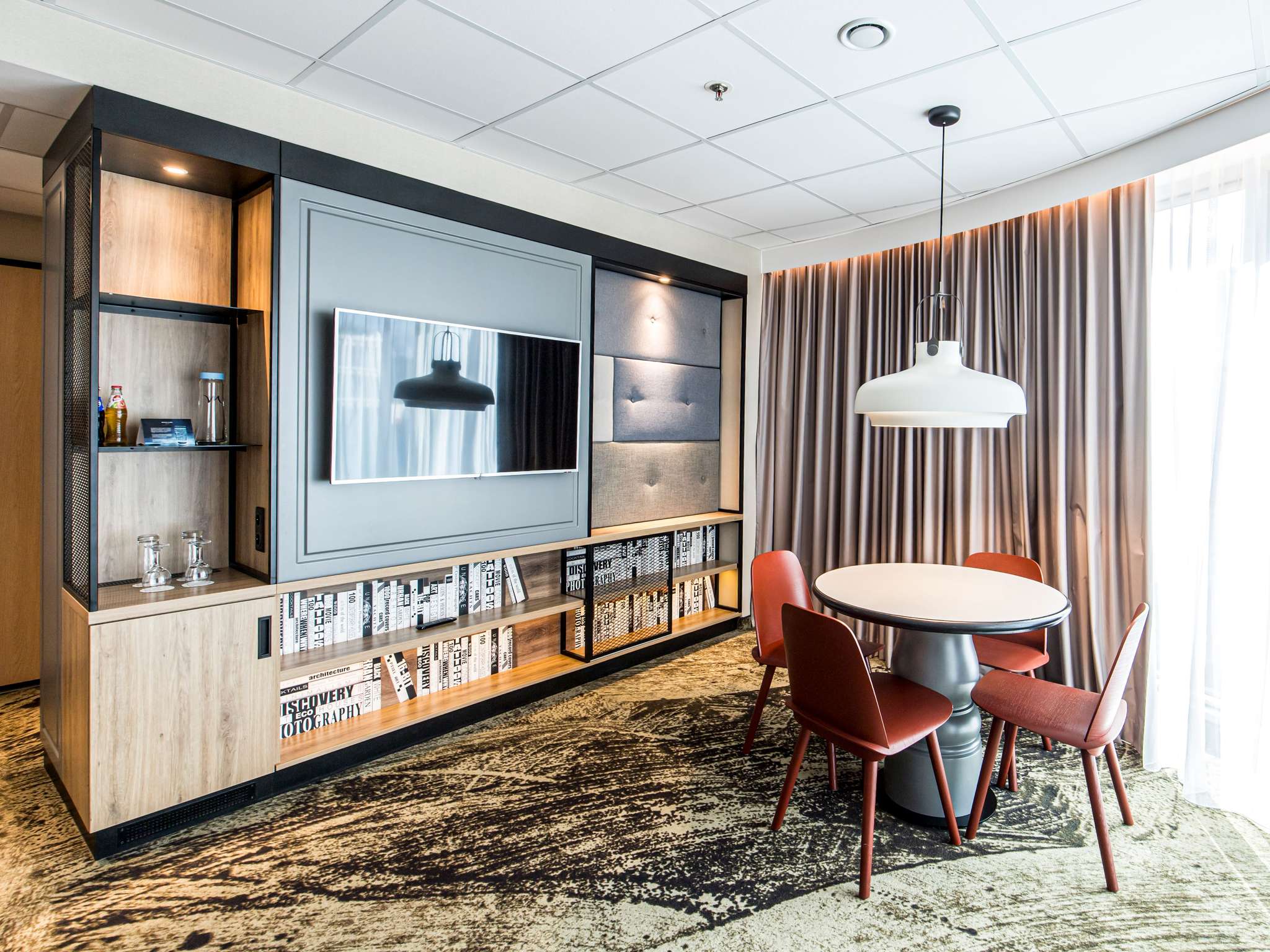
Hotel Mercure Wrocław Centrum is a modern four-star hotel located in the heart of Wrocław’s Old Town.
The hotel offers 151 comfortable and modern guest rooms, designed to meet the needs of both business and leisure travelers.
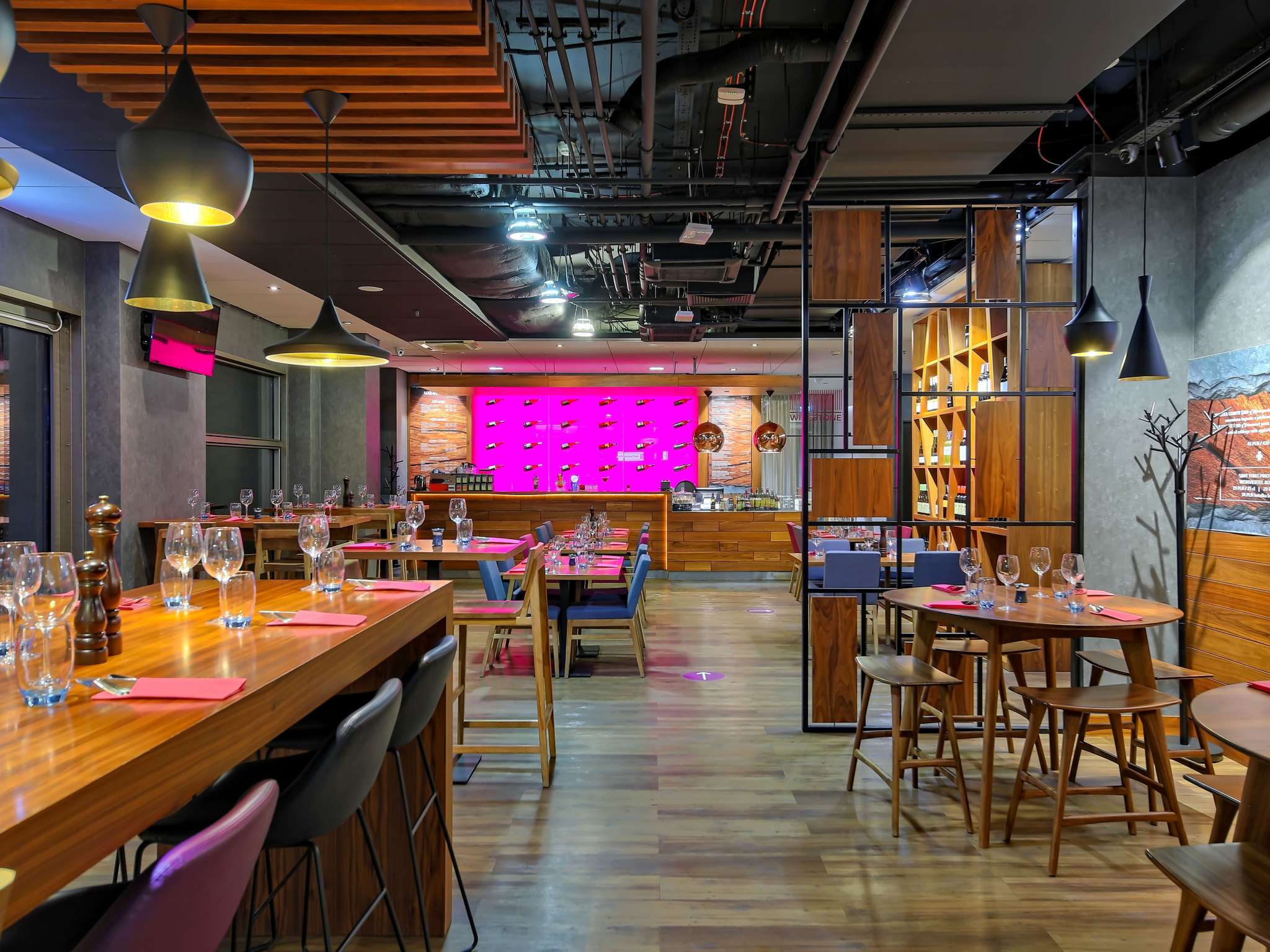
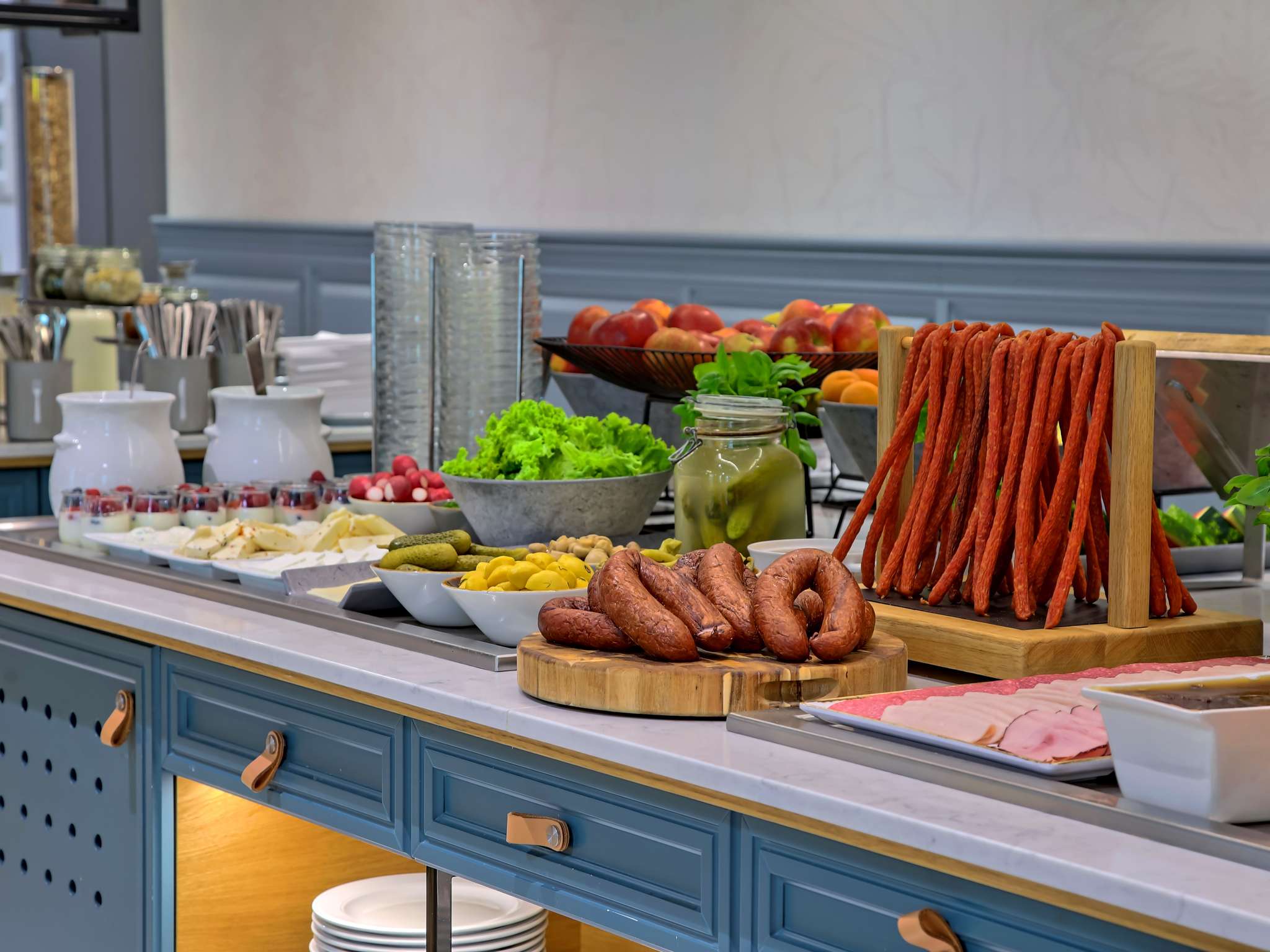
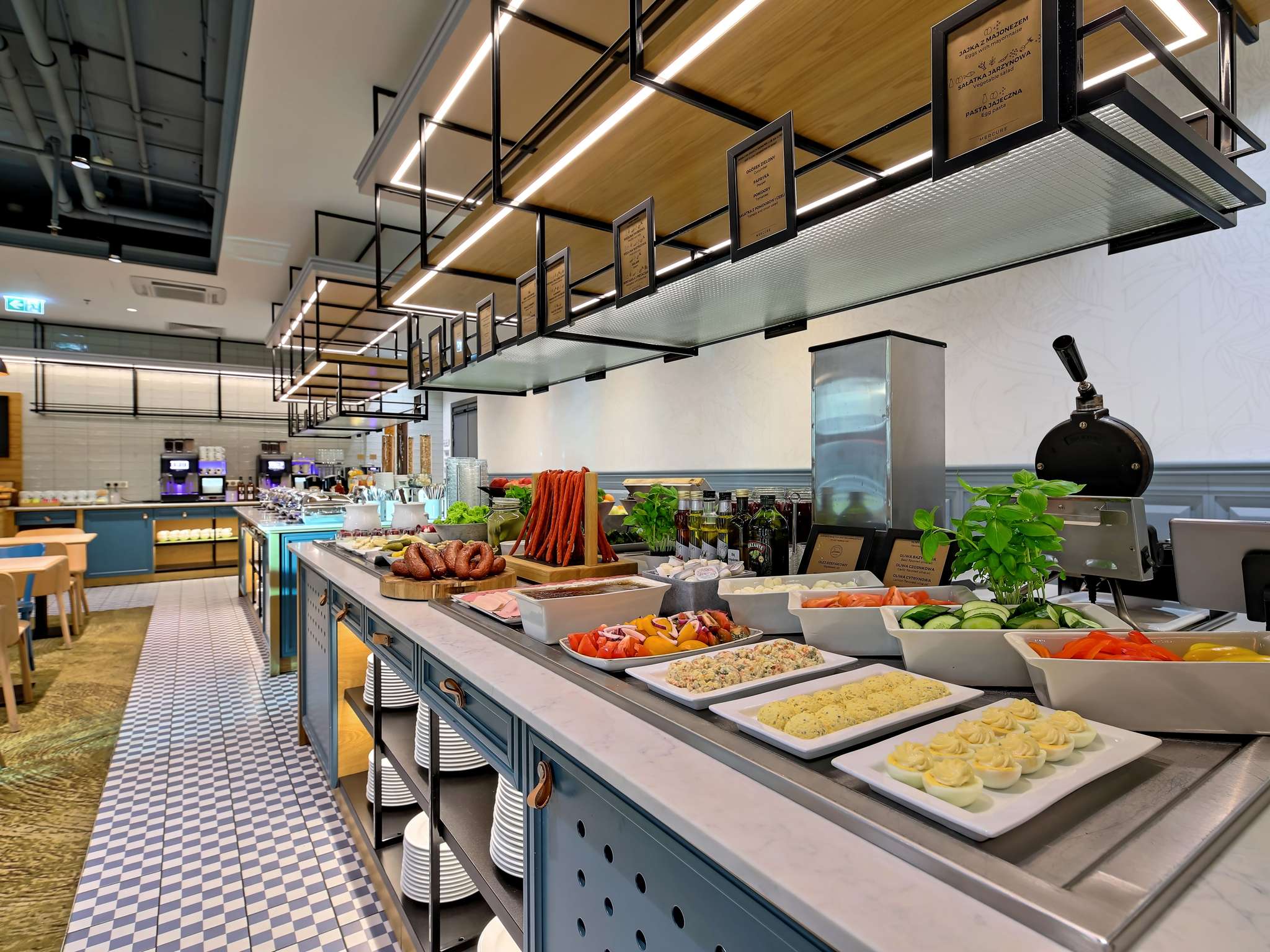
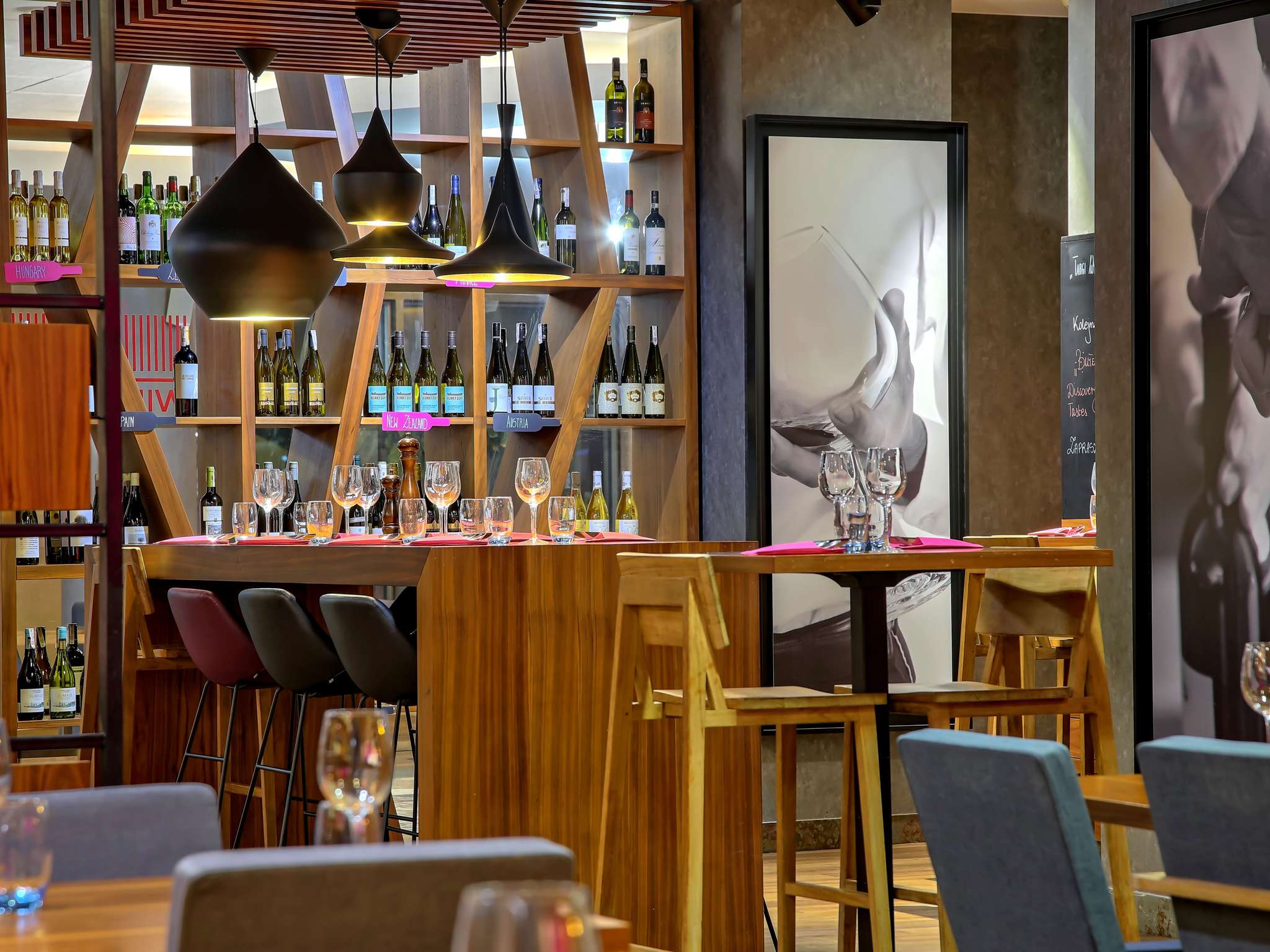
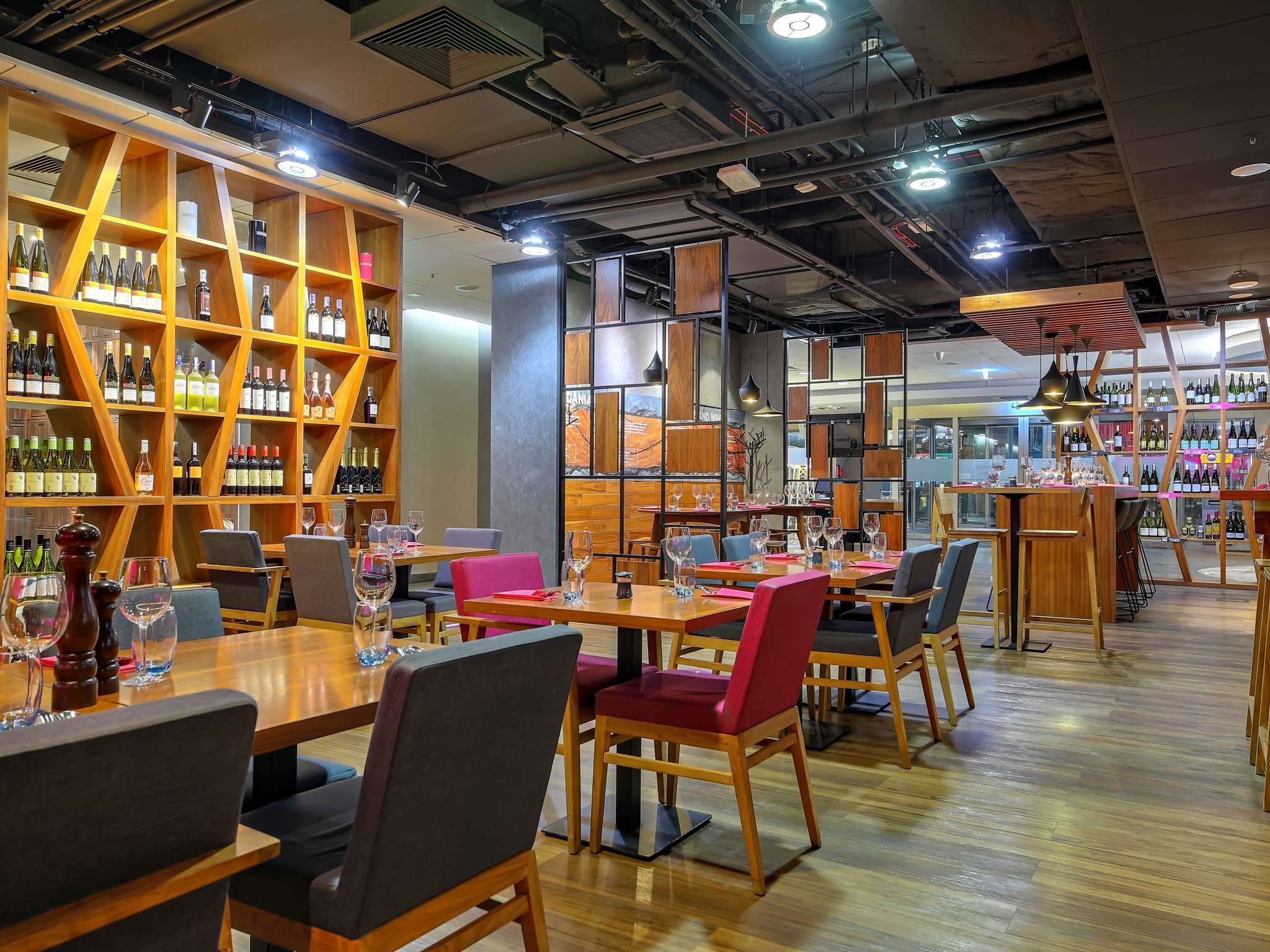
Guests can enjoy the hotel’s Winestone Restaurant, which serves international cuisine and regional specialties, as well as a hotel bar and lounge area ideal for informal meetings and relaxation. The hotel also offers breakfast facilities, a fitness area, and business services for guests.
Additional amenities include:
underground parking for hotel guests
24-hour reception
free high-speed Wi-Fi throughout the hotel
convenient access to Galeria Dominikańska shopping centre, located next to the hotel
easy access to restaurants, cafés, and cultural attractions in the Old Town
Special offer for Conference Participants (per night):
- Classic Single Room: 560 PLN
- Classic Double Room: 610 PLN
- Renovated Classic Single Room: 590 PLN
- Renovated Classic Double Room: 640 PLN
- Privilege Single Room: 610 PLN
- Privilege Double Room: 660 PLN
Nearby Hotels
In addition to the conference hotel, several other hotels are located within walking distance of the venue in Wrocław’s Old Town. Popular options include:
DoubleTree by Hilton Wroclaw
Located near the Racławice Panorama and Słowacki Park, approximately 900 m from the conference venue.
(about 12 minutes on foot)
Wyndham Wroclaw Old Town
Large hotel situated close to the Main Market Square, approximately 800 m from the conference venue.
(about 10 minutes on foot)
Korona Hotel Wrocław
Boutique hotel located directly at the Market Square, approximately 650 m from the conference venue.
(about 8 minutes on foot)
Art Hotel Wrocław
Stylish hotel located in the historic centre of the city, approximately 900 m from the conference venue.
(about 12 minutes on foot)
B&B HOTEL Wrocław Centrum
Budget-friendly option located close to the Old Town, approximately 700 m from the conference venue.
(about 9 minutes on foot)
Hotel Altus Palace Wrocław
Luxury hotel located in a historic palace near the Old Town Garden, approximately 850 m from the conference venue.
(about 11 minutes on foot)
Online Booking Platforms
Participants may also use the following booking platforms to find accommodation in Wrocław. These platforms offer a wide range of hotels, apartments, and guesthouses located close to the conference venue.
About Wrocław
The City and Academic Life
Wrocław is one of the largest and most vibrant cities in Poland, located in the south-western part of the country on the banks of the Oder (Odra) River. With a population of over 670,000 inhabitants, it is the historical capital of the Lower Silesia region and an important centre of culture, science, and innovation.
Often called the “city of a hundred bridges”, Wrocław is built across several river islands connected by more than 100 bridges and footbridges, giving the city its distinctive landscape.
Wrocław is also one of the leading academic centres in Poland, hosting over 100,000 students and numerous universities and research institutions. Major universities include the University of Wrocław, Wrocław University of Science and Technology, Medical University of Wrocław, and Wrocław University of Environmental and Life Sciences. The strong academic environment and international collaborations make the city an important hub for research, education, and innovation in Central Europe.
The city’s long history reflects the influences of several European cultures, including Polish, Czech, Austrian, and German traditions. Today Wrocław combines its rich heritage with a dynamic modern atmosphere and was named European Capital of Culture in 2016.
Historic Landmarks and Attractions
Wrocław offers a wide range of historical landmarks, museums, and cultural attractions.
Market Square (Rynek)
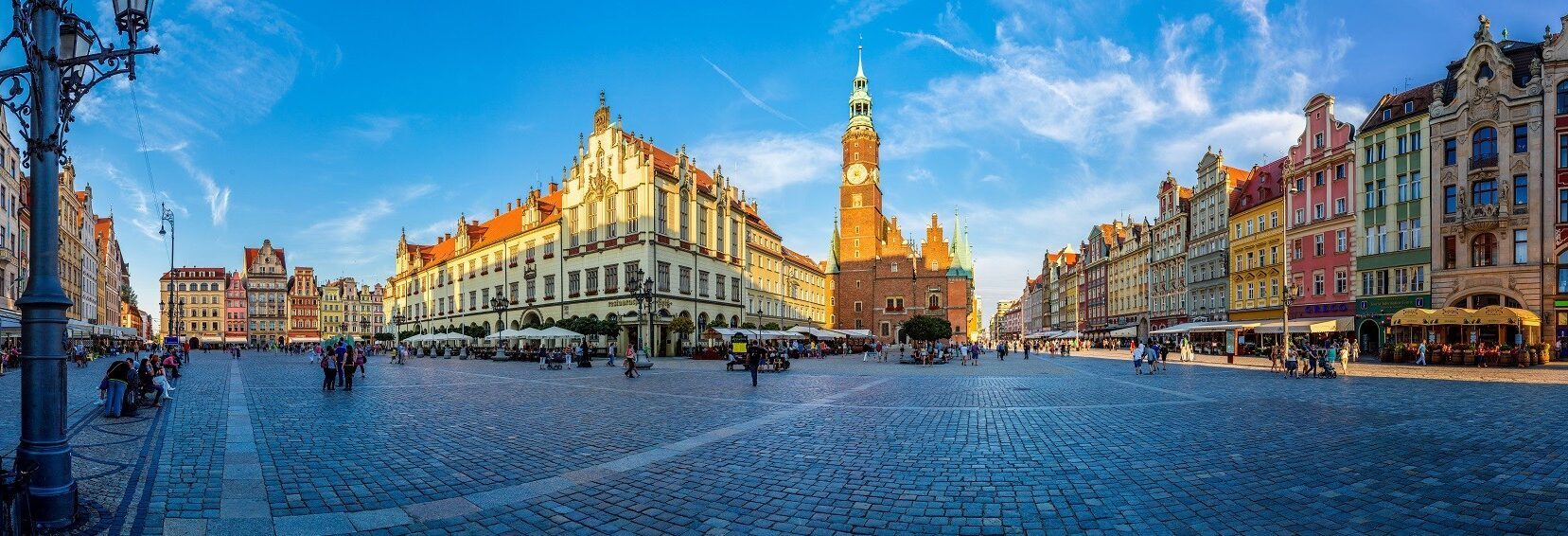
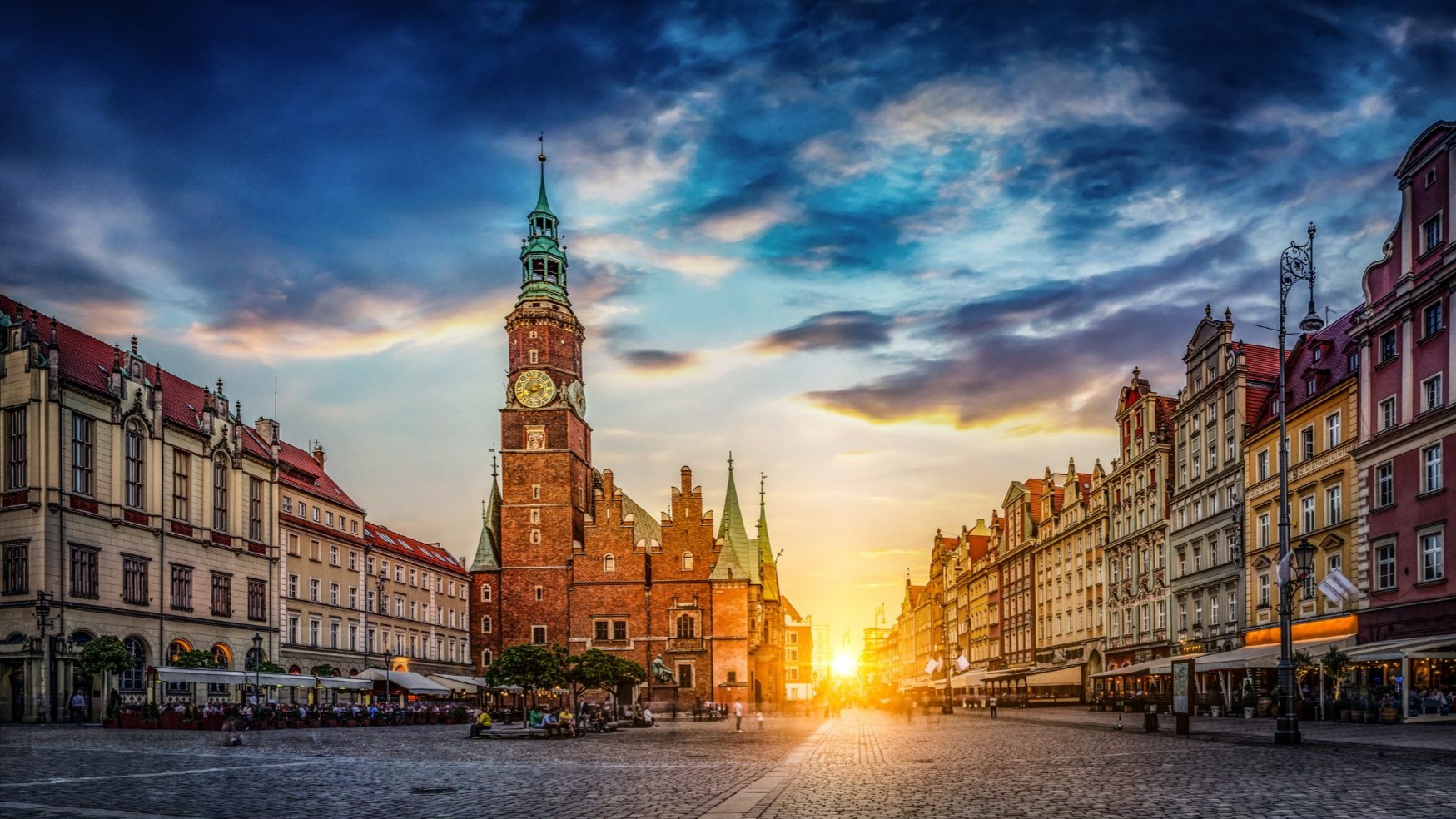
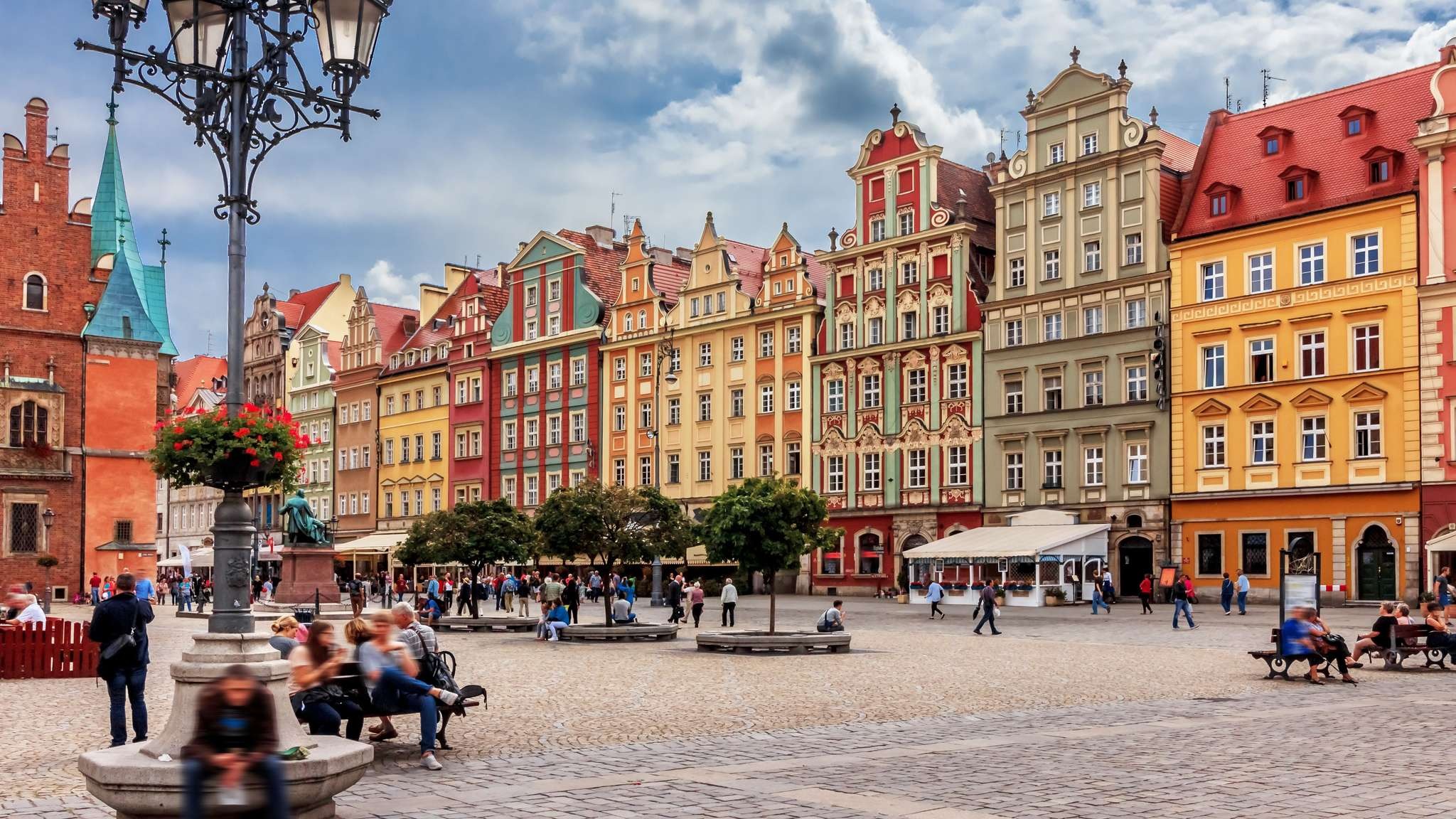
The Wrocław Market Square is one of the largest medieval squares in Europe and the vibrant heart of the city. It is surrounded by colourful historic townhouses and dominated by the impressive Gothic Old Town Hall, one of the best-preserved medieval town halls in Central Europe.
The square dates back to the 13th century and has served as the centre of trade, social life, and cultural events for centuries. Today it remains a lively meeting place filled with restaurants, cafés, museums, and seasonal events such as Christmas markets and open-air concerts.
Ostrów Tumski (Cathedral Island)
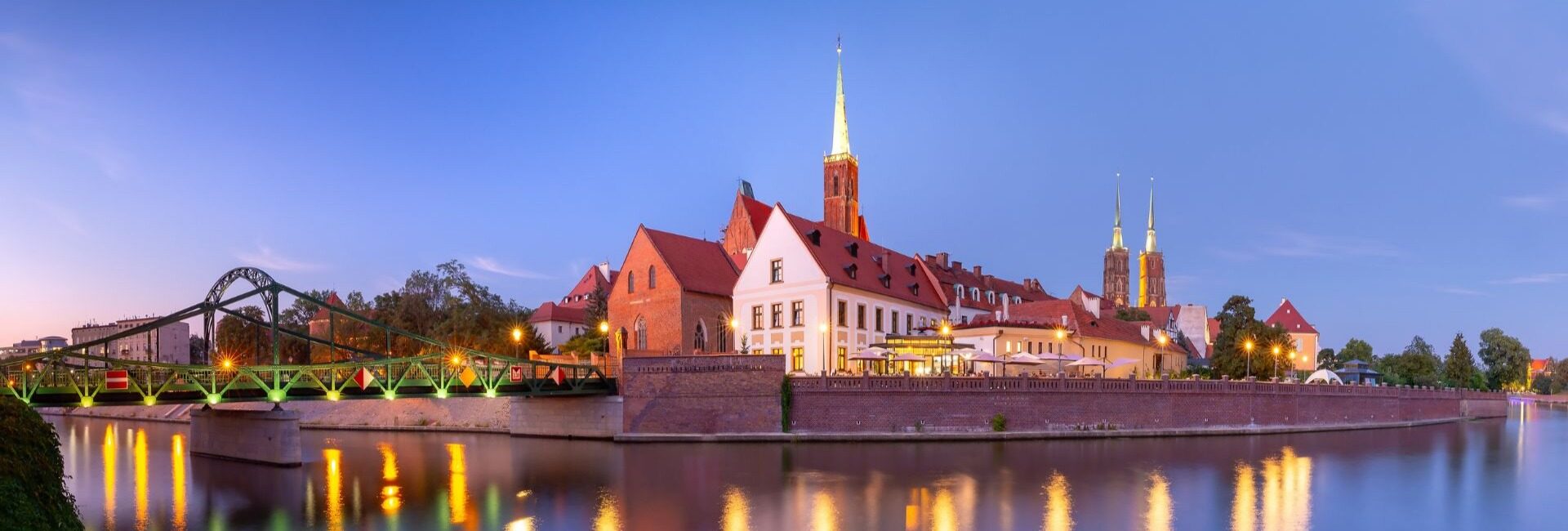
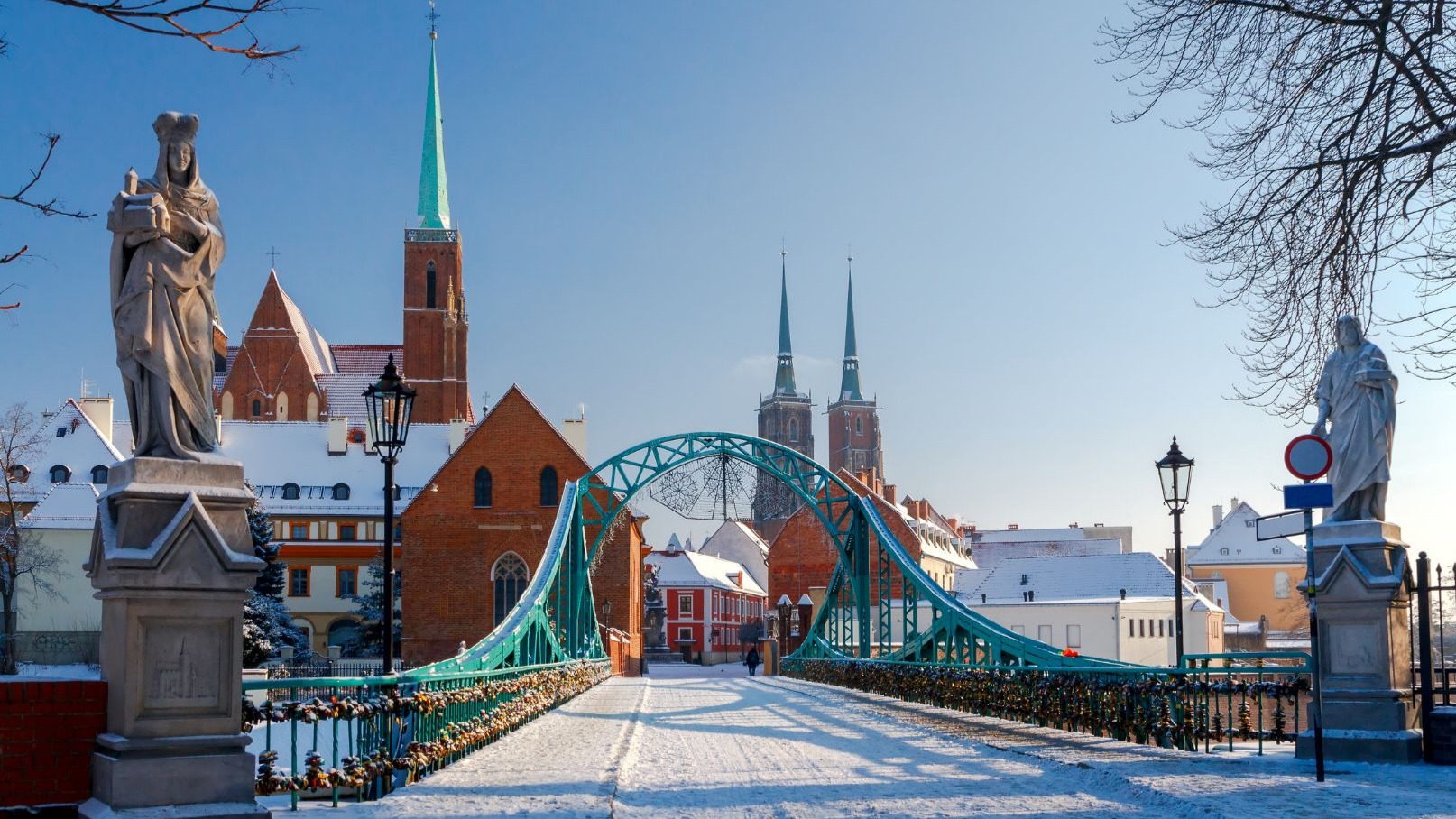
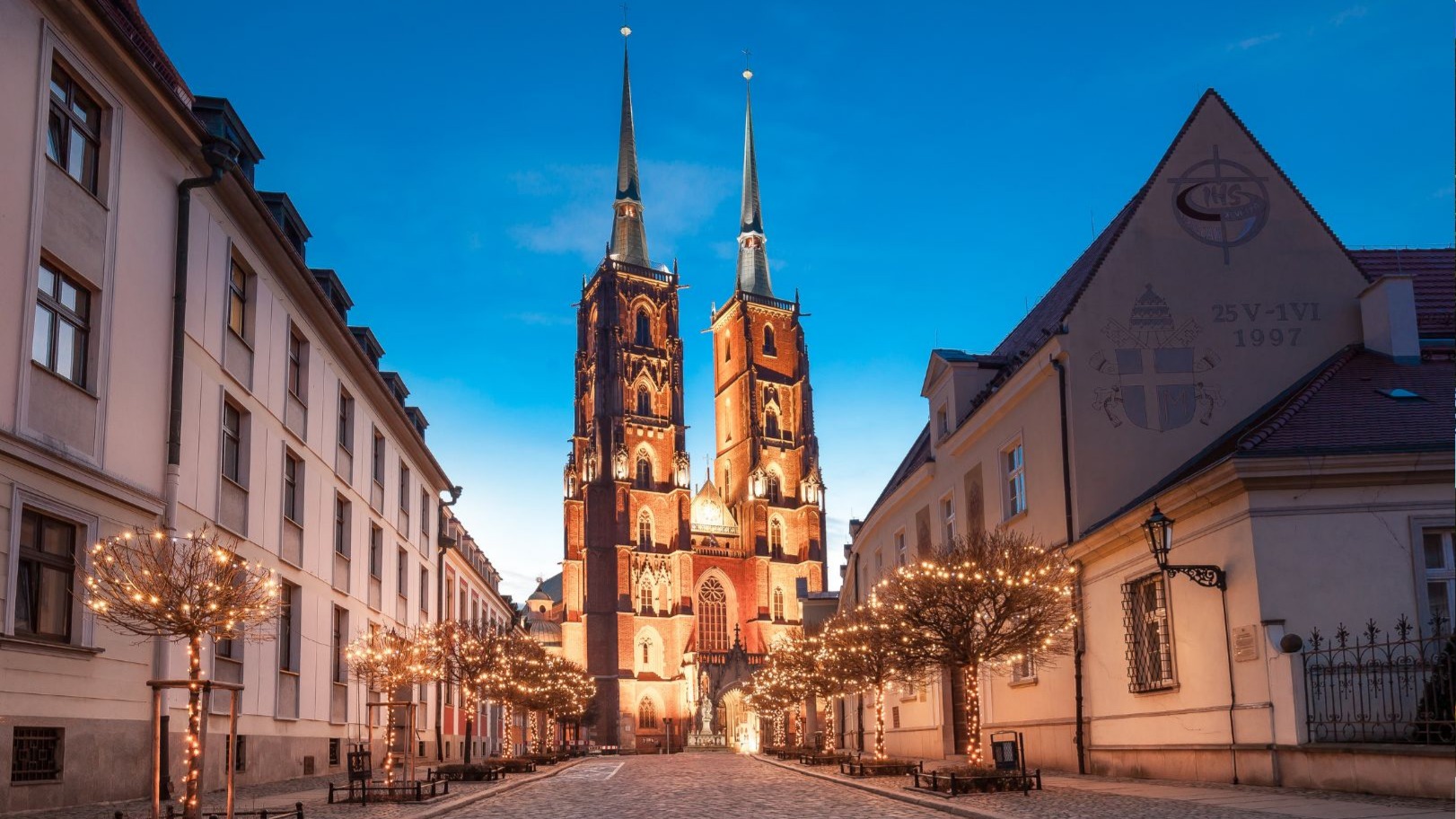
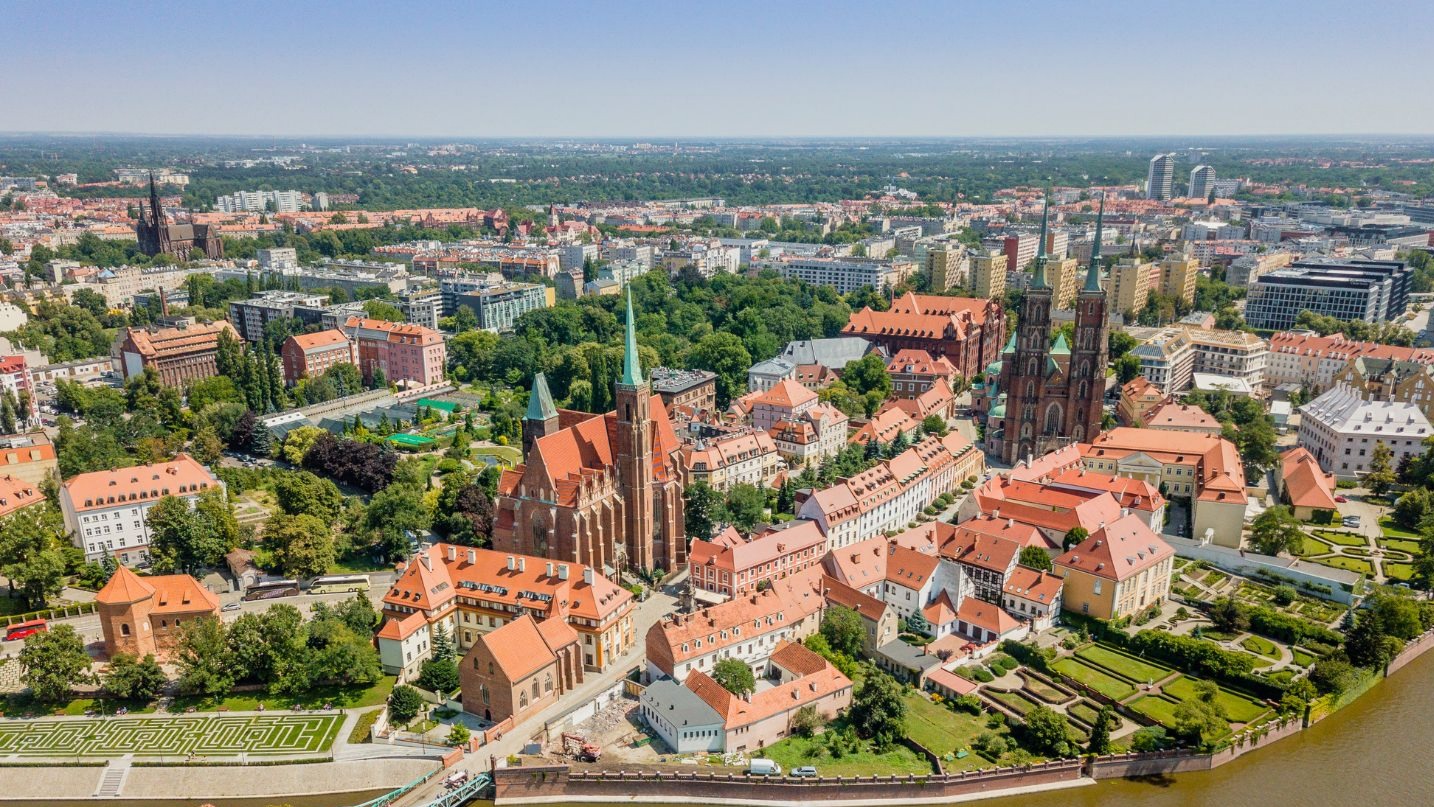
Ostrów Tumski is the oldest part of Wrocław and one of the most picturesque areas of the city. This historic district is located on an island of the Oder River and is known for its impressive religious architecture and peaceful atmosphere.
The most prominent landmark is the Cathedral of St. John the Baptist, whose twin towers dominate the skyline of Wrocław. The area features several historic churches, cobbled streets, and bridges connecting it to the rest of the city. A unique tradition still continues here: every evening a lamplighter lights the historic gas lanterns by hand, creating a distinctive and atmospheric setting.
Racławice Panorama
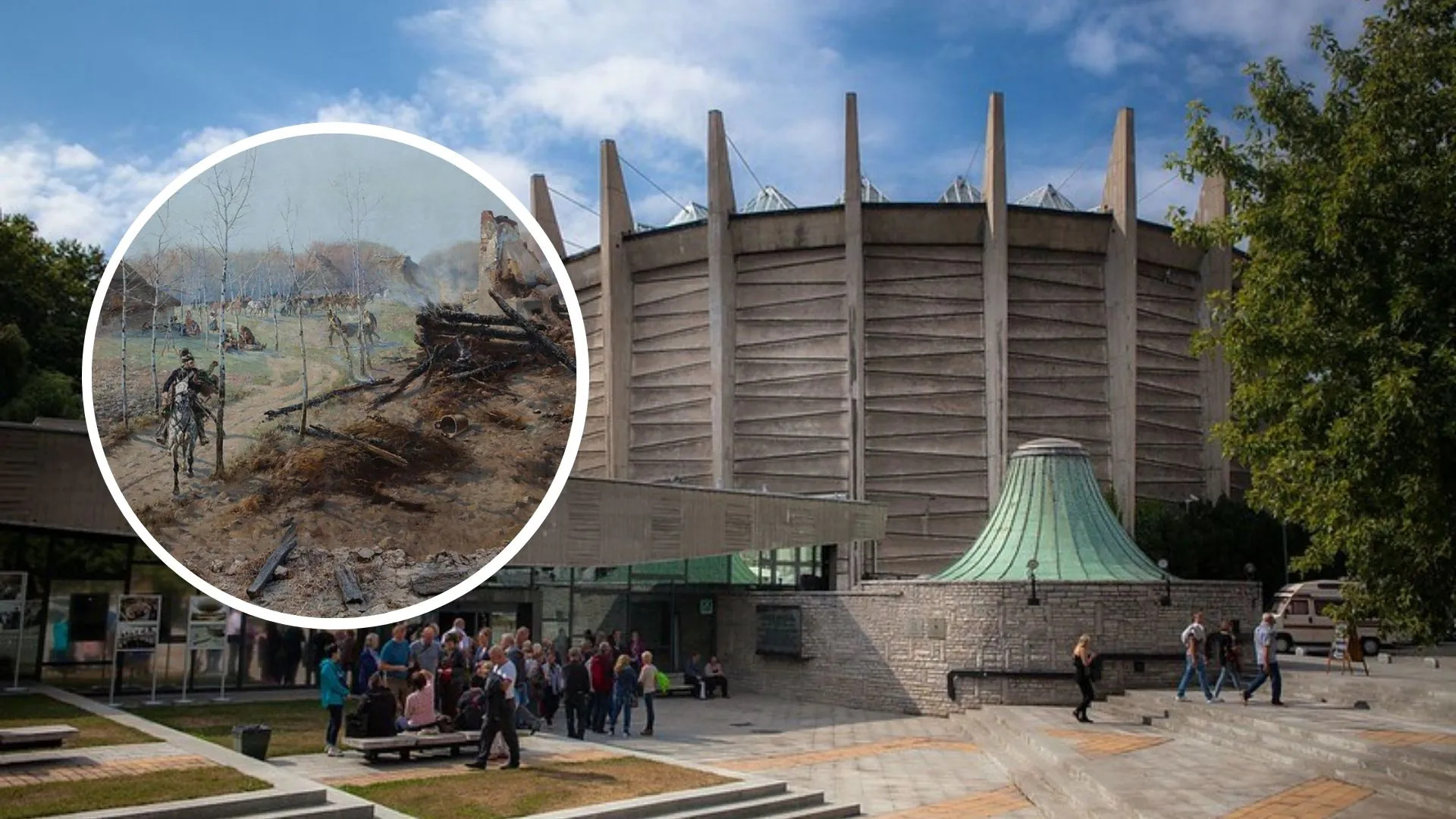
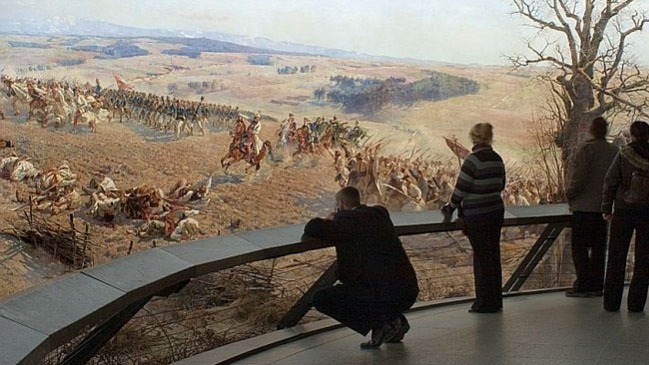
The Racławice Panorama is one of the most unique museums in Poland. It houses a monumental 19th-century panoramic painting depicting the Battle of Racławice (1794) during the Kościuszko Uprising.
The painting is displayed in a specially designed circular rotunda and measures approximately 114 meters in length and 15 meters in height. Through the use of perspective, lighting, and additional foreground elements, visitors experience an immersive illusion of standing in the middle of the historical battlefield.
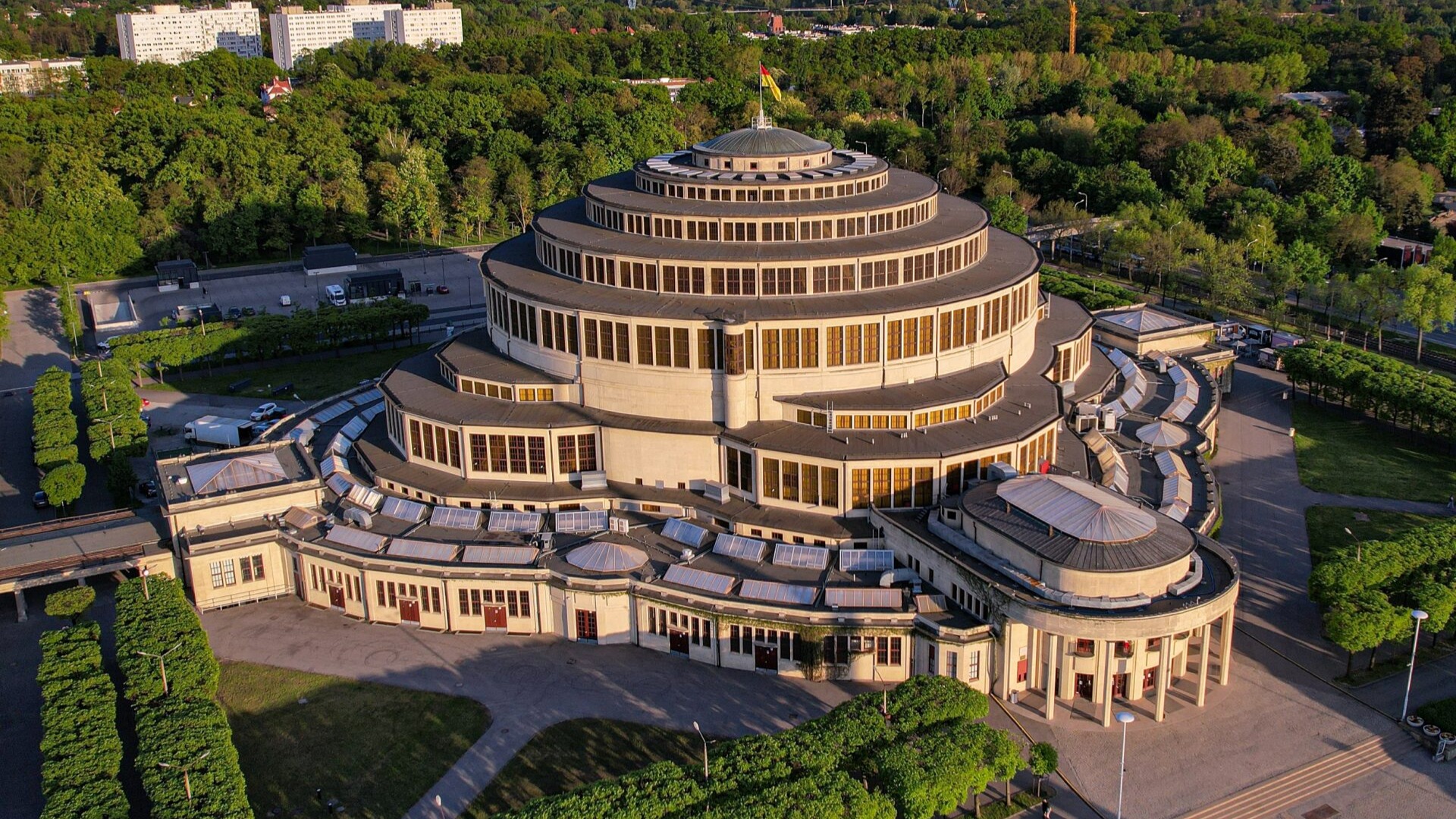
Centennial Hall (Hala Stulecia)
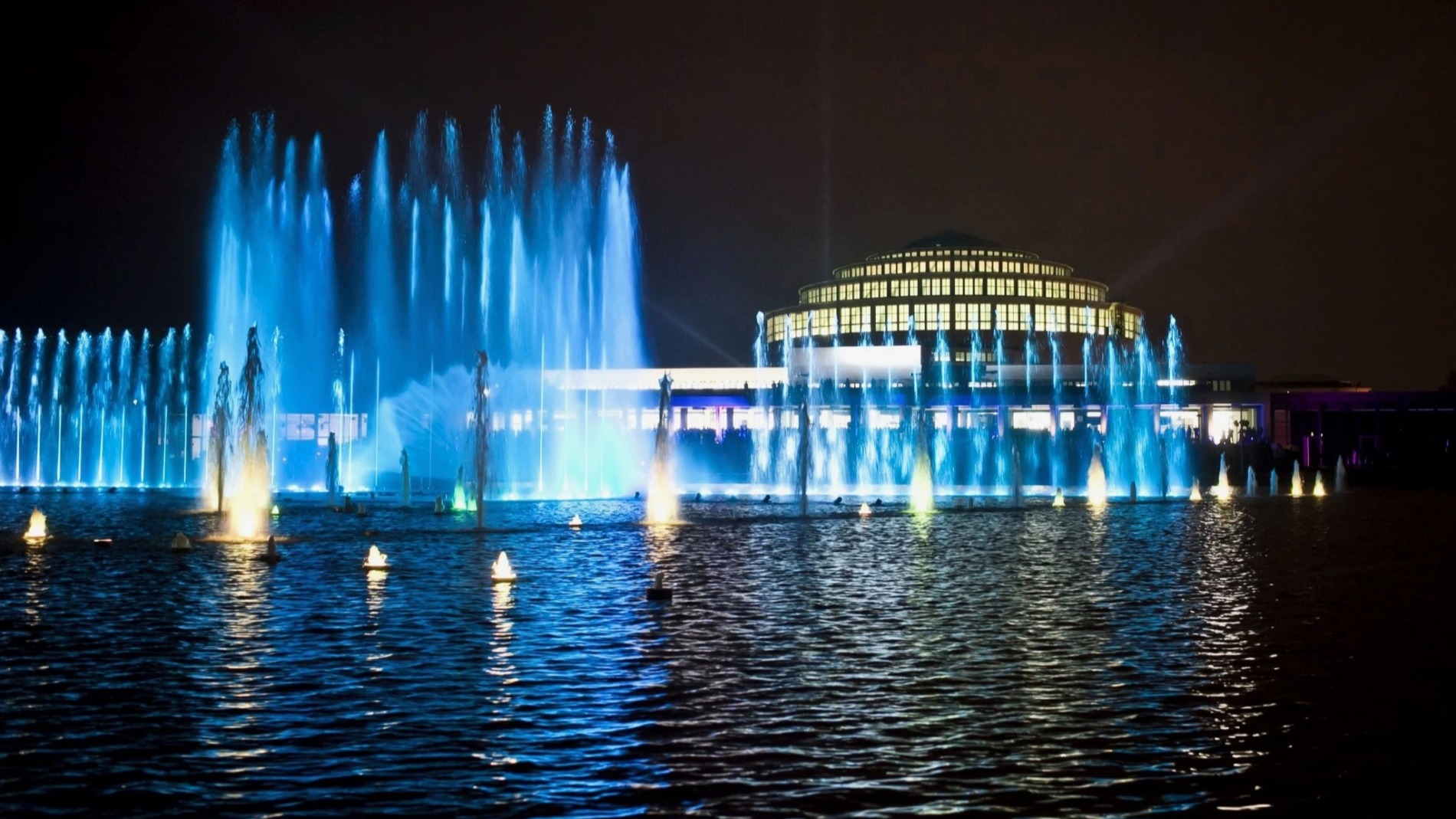
The Centennial Hall is one of Wrocław’s most important architectural landmarks and a UNESCO World Heritage Site. Designed by architect Max Berg and completed in 1913, it is considered a pioneering achievement in early reinforced concrete architecture.
The hall features a massive dome spanning 65 meters, which was an extraordinary engineering accomplishment at the time of its construction. Today the building hosts exhibitions, concerts, conferences, and cultural events. It is located within a large recreational complex that includes Szczytnicki Park, the Wrocław Fountain, and the Japanese Garden, making it a popular destination for visitors and residents alike.
The City of Dwarfs
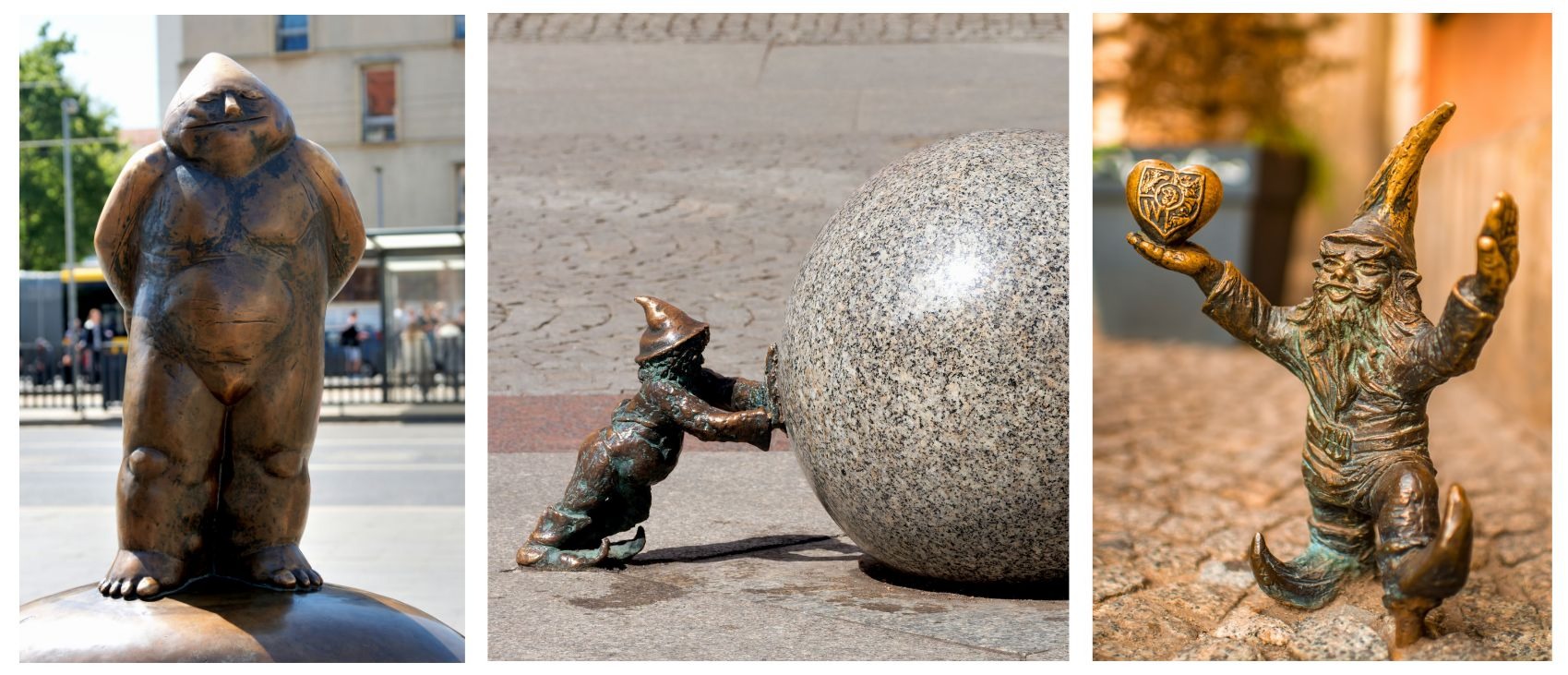
One of the most distinctive and charming symbols of Wrocław is its collection of small bronze statues known as the Wrocław dwarfs (Krasnale). Today, more than 600 dwarf figurines are scattered throughout the city, especially in the historic centre, making them a popular attraction for visitors.
The tradition of the dwarfs originates from the Orange Alternative, an anti-communist underground movement active in Wrocław during the 1980s. Members of the movement used humorous street art and graffiti of dwarfs to protest against the communist regime. The dwarfs became a playful symbol of peaceful resistance and creativity during that period.
The first modern bronze dwarf statue was installed in 2001 on Świdnicka Street to commemorate this movement. Since then, many more dwarfs have appeared across the city, often sponsored by local businesses, institutions, and organisations.
Each dwarf has its own name, personality, and story. Some represent different professions or activities — for example, there are dwarfs reading books, riding motorcycles, guarding banks, or playing musical instruments. Finding them has become a popular urban game for both tourists and residents, and many visitors explore the city by following special dwarf maps or mobile apps that help locate them.
Today, the Wrocław dwarfs are not only a tribute to the city’s history but also a unique and playful element of its cultural identity.