Plenary Speakers
BioActive 2026 will feature plenary lectures delivered by distinguished international researchers whose work significantly contributes to the discovery, characterization and application of bioactive compounds. These lectures will highlight recent scientific advances, emerging research directions and innovative approaches at the interface of chemistry, biotechnology, medicine and related disciplines.
The plenary speakers invited to BioActive 2026 are internationally recognised experts in their respective fields, representing leading academic and research institutions.
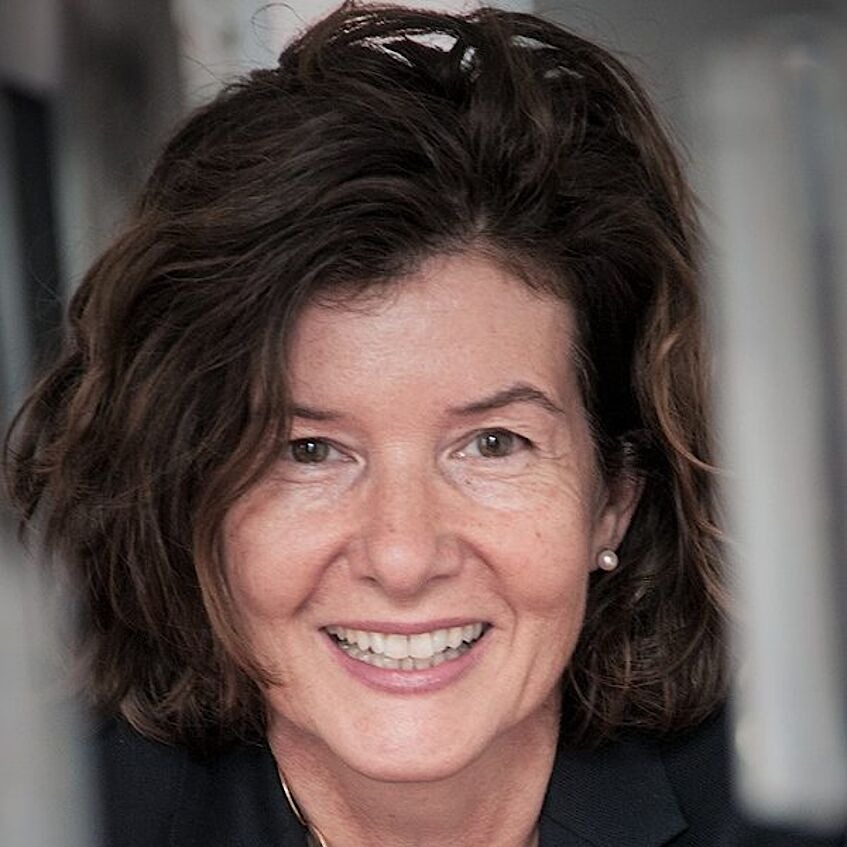
Prof. Judith Maria Rollinger
University of Vienna
AUSTRIA
Prof. Judith Maria Rollinger is Professor of Pharmacognosy and Pharmaceutical Biology at the Department of Pharmaceutical Sciences, Faculty of Life Sciences, University of Vienna, Austria, where she leads the research group Phytochemistry and Biodiscovery.
She studied pharmacy and obtained her PhD in Pharmacognosy at the University of Innsbruck, where she also completed her habilitation in 2007. In 2014 she was appointed Full Professor of Pharmacognosy/Pharmaceutical Biology at the University of Vienna.
Her research focuses on the discovery and characterization of bioactive natural products, particularly compounds derived from medicinal plants and other natural sources. Her work integrates phytochemistry with modern approaches such as cheminformatics, biochemometrics, molecular modelling and virtual screening to identify new biologically active molecules with pharmaceutical potential.
Prof. Rollinger has authored numerous scientific publications in the field of natural product research and pharmacognosy and actively contributes to international scientific collaboration. She also served as President of the Society for Medicinal Plant and Natural Product Research (GA) from 2020 to 2023.
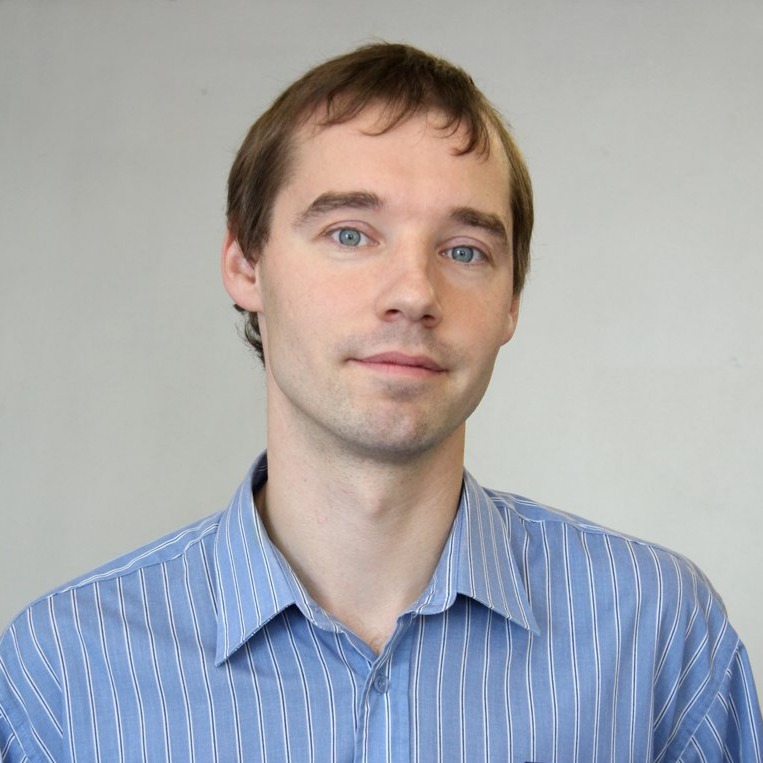
Prof. Přemysl Mladěnka
Charles University in Hradec Králové
CZECH REPUBLIC
Prof. Přemysl Mladěnka, Pharm.D., Ph.D., born 1980, is an experimental pharmacologist working at the Faculty of Pharmacy, Charles University, Czech Republic. He was appointed full professor of human and veterinary pharmacology in 2020.
His research is mostly dedicated to the cardiovascular system with emphasis on the investigation of the effects of natural compounds and environmental pollutants, their metabolites or close derivatives on the heart and vascular function, and blood platelets at different levels (in vitro, ex vivo, and in vivo). He is also investigating novel chelators of different pathophysiologically relevant metals (e.g., iron, copper, cobalt, zinc, calcium, magnesium).
He served as an editor in Nutrients (2019-2024), from 2021 nowadays he has been an academic editor in Oxidative Medicine and Cellular Longevity. At present, he is an author of 133 peer-reviewed papers, which have been cited more than 4000 times. His H-index without self-citations is 29.
More information is available at https://portal.faf.cuni.cz/Profile/Mladenka-Premysl/?lang=en-gb

Prof. Jon D. Stewart
University of Florida
USA
Prof. Jon D. Stewart is Professor of Chemistry at the University of Florida, Gainesville, USA, and an affiliate professor in the Departments of Biomedical Engineering and Biochemistry & Molecular Biology.
His research lies at the interface of chemistry and biology, with a particular focus on the development of enzyme-catalysed reactions for organic synthesis. The Stewart research group works on the discovery and engineering of enzymes that can serve as efficient and sustainable catalysts for the preparation of valuable chemical compounds used in both academic research and industrial applications.
To achieve this goal, his group combines approaches from biocatalysis, protein engineering, organic synthesis and structural biology, applying techniques such as X-ray crystallography, enzyme kinetics and molecular modelling to understand and improve enzyme function.
Prof. Stewart has authored numerous scientific publications in the fields of biocatalysis and enzymatic synthesis, and his work has significantly contributed to the development of environmentally friendly catalytic processes for modern chemical synthesis.
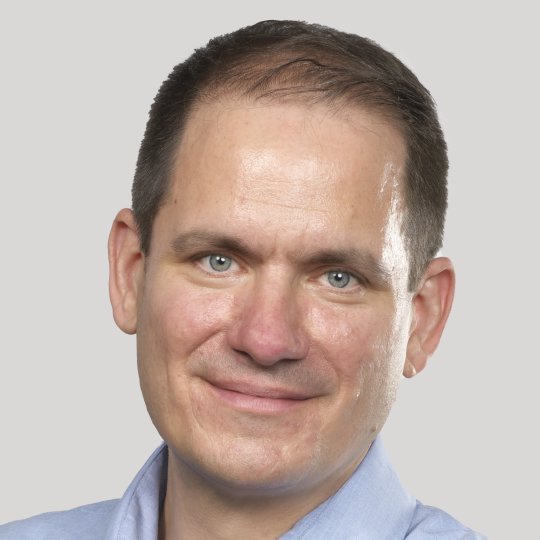
Prof. Wolfram Brück
University of Applied Sciences Western Switzerland
SWITZERLAND
Prof. Dr. Wolfram Brück is Professor of Microbiology at the Institute of Life Technologies, University of Applied Sciences Western Switzerland (HES-SO Valais-Wallis). He studied microbiology at St. Cloud State University (USA), obtained an MSc in Medical and Molecular Microbiology from the University of Manchester (UK), and completed his PhD in Food and Health Microbiology at the University of Reading (UK), where his research focused on prebiotic milk peptides and their influence on infant health.
Before joining HES-SO in 2014, he held academic and research positions in the USA, Denmark, Ireland, and the United Kingdom, and collaborated with industry partners including Nestlé.
His research focuses on functional foods, microbiome analysis, alternative protein sources such as algae and insects, and microbial biotechnology for biomedical and environmental applications. At HES-SO Valais-Wallis he leads microbiology laboratories and contributes to teaching and interdisciplinary research in microbiology and food sciences.
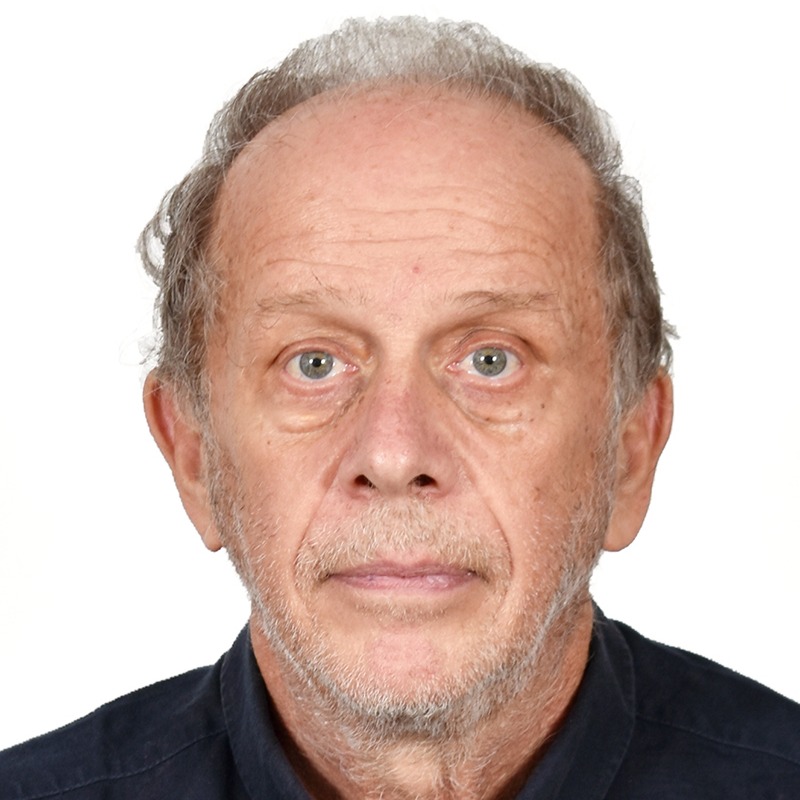
Prof. Leandros Skaltsounis
National and Kapodistrian University of Athens
GREECE
Prof. Leandros Skaltsounis is Professor Professor in Pharmacognosy and Dean of the Faculty of Pharmacy, National and Kapodistrian University of Athens. He obtained his Ph.D on 1987 under the supervision of Professor Francois Tillequin, at Descartes University, Paris V where he spent six year as academic staff. He was visiting professor in Orleans and Innsbruck Universities as well as in Chinese Academy of Science.
At present he leads a research group of more than 30 researchers, focusing on natural product-based lead discovery, for various applications as therapeutics, functional foods, cosmetics and agrochemicals. Parallel research activities have been deployed concerning new agricultural processes related to medicinal plants and the solution in environmental problems derived from agricultural wastes.
He is also the founder of Pharmagnose spin-off biotechnological company (2013). He has participated in 15 EU projects, 8 as coordinator and has organized the 7th Joint meeting on natural products chemistry and biology, Athens in 2008 and the IUPAC 30th International Symposium on the chemistry of natural products, Athens in 2018.
To date he has published 450 papers and 20 patents with more than 30.000 citations and h-index 75. More information is available at https://npmc.pharm.uoa.gr/
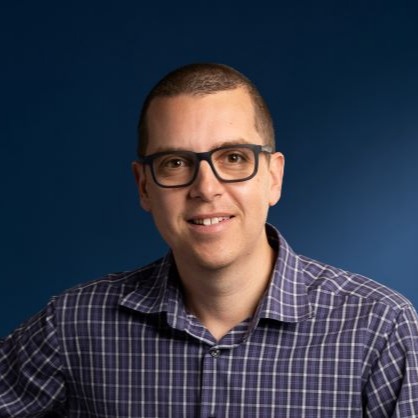
Prof. Charles Gauthier
Université du Québec à Chicoutimi (UQAC)
CANADA
Prof. Charles Gauthier is Professor at the Centre Armand-Frappier Santé Biotechnologie, Institut national de la recherche scientifique (INRS), Canada. He earned his PhD in natural products chemistry from the Université du
Québec à Chicoutimi (UQAC), followed by postdoctoral fellowships in carbohydrate chemistry at the Institut Pasteur in Paris, France, and in chemobiology at the University of Oxford in the United Kingdom.
After a five-year tenure as a Senior Lecturer at the University of Poitiers in France, Dr. Gauthier joined the Centre Armand-Frappier Santé Biotechnologie of the Institut national de la recherche scientifique (INRS), Canada, in 2016 and was promoted to Full Professor in 2023. Since 2022, he has served as co-director of the Unité mixte de recherche (UMR) INRS-UQAC.
Dr. Gauthier’s research program centers on the synthesis of natural products and microbial glycans for the development of prophylactic and therapeutic approaches. Specifically, his team develops chimeric triterpenoid saponins derived from Canada boreal resources as antiviral agents targeting viral entry, and designs semi-synthetic glycoconjugate vaccines against neglected infectious diseases such as melioidosis and campylobacteriosis.
This interdisciplinary work integrates medicinal chemistry, glycoscience, virology, and preclinical evaluation to advance structure-activity relationships and optimize the efficacy and safety of novel glycoconjugates. Dr. Gauthier and his research team have published more than 70 peer-reviewed papers and book chapters and has supervised more than 65 students, trainees, and postdoctoral fellows.
His research has received funding from various granting agencies, including NSERC, CIHR, the Pasteur Network, and the NIH. Notably, Dr. Gauthier has been awarded FRQS salary support as both a Junior 2 and a Senior Scholar. Actively engaged in the academic community, Dr. Gauthier is a member of several national and international scientific networks and professional societies, including the VALIDATE network at the University of Oxford and the Canadian Glycomics Network (GlycoNet).